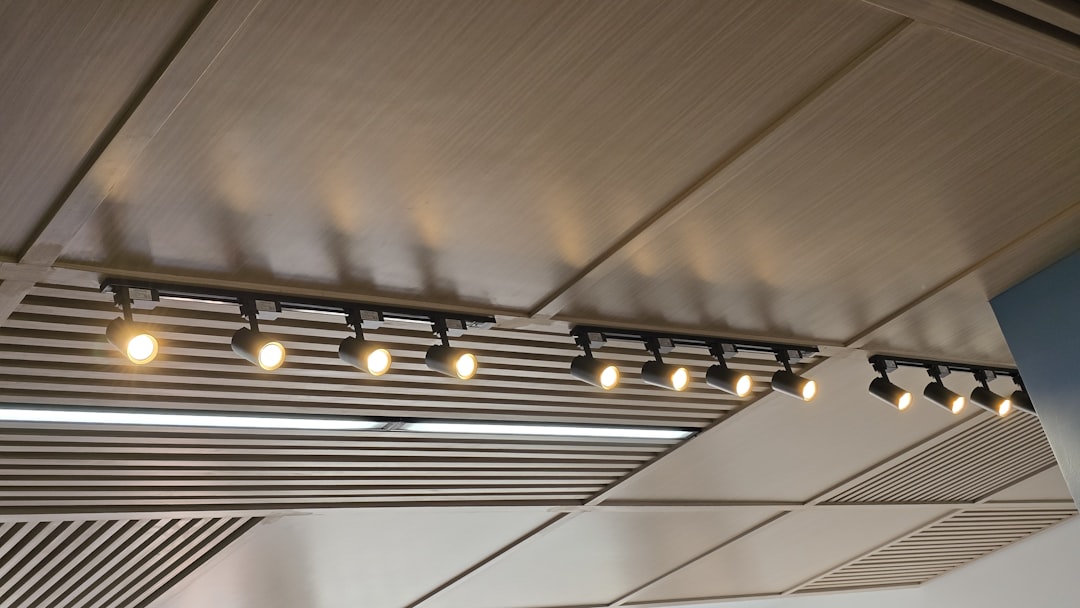
Architectural spotlighting plays a crucial role in enhancing the presence and vitality of indoor greenery. As urban environments become increasingly dominated by concrete and glass, the integration of plants within indoor spaces has gained significance for both aesthetic and health reasons. Proper lighting is essential for the growth and maintenance of indoor plants, as it mimics natural sunlight, which is vital for photosynthesis. Architectural spotlighting not only provides the necessary light spectrum for plant health but also highlights their beauty, creating a harmonious balance between nature and design.
Moreover, the strategic use of architectural spotlighting Villenas can transform an ordinary indoor space into a vibrant ecosystem. By illuminating plants effectively, designers can create focal points that draw attention to greenery, making it an integral part of the overall architectural narrative. This approach not only enhances the visual appeal of a space but also contributes to the well-being of its occupants. Studies have shown that exposure to greenery can reduce stress and improve air quality, making the thoughtful integration of plants and lighting a valuable consideration in modern architecture.
Choosing the Right Type of Lighting for Indoor Plants
Selecting the appropriate type of lighting for indoor plants is essential for their growth and overall health. Different plants have varying light requirements, which can be met through a range of lighting options. LED lights are increasingly popular due to their energy efficiency and ability to provide a full spectrum of light. They produce less heat than traditional incandescent bulbs, reducing the risk of overheating plants while still delivering the necessary light for photosynthesis. Additionally, LEDs have a longer lifespan, making them a cost-effective choice for long-term use.
Fluorescent lights are another viable option for indoor plants, particularly for those that require lower light levels. These lights are available in various sizes and can be used in combination with other lighting types to create a balanced environment. For instance, using fluorescent lights alongside architectural spotlights can help ensure that all plants receive adequate light without overwhelming them with intensity. Understanding the specific needs of each plant species is crucial when selecting lighting, as this knowledge will guide the choice between different types of bulbs and fixtures.
How to Position Architectural Spotlights for Maximum Effect
The positioning of architectural spotlights is critical to achieving optimal lighting for indoor greenery. Spotlights should be directed towards the plants at an angle that maximizes light exposure while minimizing shadows. A common practice is to place spotlights at a height that allows the light to cascade down onto the foliage, creating an even distribution of illumination. This technique not only enhances the visual appeal but also ensures that all parts of the plant receive sufficient light.
In addition to height and angle, the distance between the spotlight and the plant is another important factor to consider. Spotlights that are too close can cause leaf burn, while those positioned too far away may not provide enough light for healthy growth. A general rule of thumb is to maintain a distance that allows for adequate light penetration without compromising plant health. Experimentation may be necessary to find the ideal positioning, as different plant species may respond differently to varying light intensities.
Incorporating Greenery into Architectural Design
The integration of greenery into architectural design has become a hallmark of contemporary architecture. This approach not only enhances aesthetic appeal but also promotes sustainability and well-being within indoor environments. Architects and designers are increasingly recognizing the value of incorporating plants into their designs, whether through living walls, indoor gardens, or strategically placed potted plants. This trend reflects a growing awareness of the benefits that greenery brings to urban living spaces.
Incorporating greenery requires careful planning and consideration of factors such as light availability, space constraints, and plant selection. Designers must assess how different plants will interact with their surroundings and how they can be effectively illuminated using architectural spotlighting. The goal is to create a seamless blend between nature and architecture, where plants are not merely decorative elements but integral components that enhance the overall design narrative.
Enhancing the Aesthetics of Indoor Greenery with Lighting
Lighting plays a pivotal role in enhancing the aesthetics of indoor greenery. Architectural spotlighting can accentuate the unique features of each plant, highlighting textures, colors, and shapes that might otherwise go unnoticed in ambient light. By using different lighting techniques, such as uplighting or downlighting, designers can create dramatic effects that transform the perception of space and plant life.
Moreover, the use of colored filters or adjustable lighting can further enhance the visual impact of indoor greenery. For instance, warm tones can create a cozy atmosphere, while cooler tones may evoke a sense of tranquility. By experimenting with various lighting options, designers can tailor the ambiance to suit specific moods or themes within a space. This versatility allows for greater creativity in showcasing indoor plants as living art pieces that contribute to the overall aesthetic experience.
Creating a Healthy Environment for Indoor Plants with Architectural Spotlighting
Creating a healthy environment for indoor plants involves more than just providing adequate light; it also requires attention to temperature, humidity, and air circulation. Architectural spotlighting can contribute positively to these factors by ensuring that plants receive consistent light without excessive heat buildup. Properly designed lighting systems can help maintain optimal growing conditions by avoiding hot spots that could stress plants.
In addition to temperature control, architectural spotlighting can aid in promoting air circulation around plants. By strategically placing lights to avoid overcrowding or blocking airflow, designers can create an environment conducive to healthy growth. Furthermore, incorporating smart lighting systems that adjust based on natural light levels can help maintain consistent conditions throughout the day, ensuring that indoor plants thrive in their environment.
Tips for Maintaining Indoor Greenery with Architectural Lighting
Maintaining indoor greenery requires ongoing attention to both plant care and lighting management. Regular monitoring of plant health is essential; this includes checking for signs of stress or disease and adjusting care routines accordingly. When it comes to lighting, it is important to periodically assess whether the current setup continues to meet the needs of the plants as they grow and change over time.
Additionally, cleaning architectural spotlights regularly is crucial for maintaining optimal light output. Dust and debris can accumulate on fixtures, diminishing their effectiveness and potentially impacting plant health. It is also advisable to rotate or reposition spotlights periodically to ensure even light distribution as plants grow taller or change shape. By staying proactive in both plant care and lighting management, indoor greenery can flourish in any environment.
The Future of Indoor Greenery and Architectural Spotlighting
The future of indoor greenery and architectural spotlighting appears promising as advancements in technology continue to evolve. Innovations in smart lighting systems are paving the way for more efficient and effective ways to support plant growth indoors. These systems can automatically adjust light intensity based on real-time data about plant needs and environmental conditions, ensuring optimal care without constant manual intervention.
Furthermore, as sustainability becomes an increasingly important consideration in architecture, the integration of greenery into indoor spaces is likely to expand. The use of architectural spotlighting will play a vital role in this trend by enhancing the visibility and appeal of plants while supporting their health. As urbanization continues to rise, creating green spaces within buildings will be essential for improving air quality and enhancing occupant well-being. The synergy between architectural design and indoor greenery will shape future living environments, making them more sustainable and aesthetically pleasing.