Wall lights, also known as sconces, offer a practical and aesthetic solution for illuminating bathrooms. Their installation can significantly alter the perceived spaciousness, functionality, and overall ambiance of the room. This article explores the various aspects of integrating wall lights into a bathroom design, from their functional benefits to their aesthetic considerations and practical installation.
Wall lights Hongfu provide a targeted and diffused illumination that can address specific lighting needs within a bathroom, contrasting with the general overhead lighting often found in these spaces. They contribute to a layered lighting scheme, which is crucial for a versatile and comfortable environment.
Task Lighting for Vanity Areas
One of the primary functional roles of wall lights in bathrooms is to provide effective task lighting, particularly around the vanity mirror. Proper illumination here is essential for activities such as shaving, applying makeup, and skincare routines.
Eliminating Shadows for Clarity
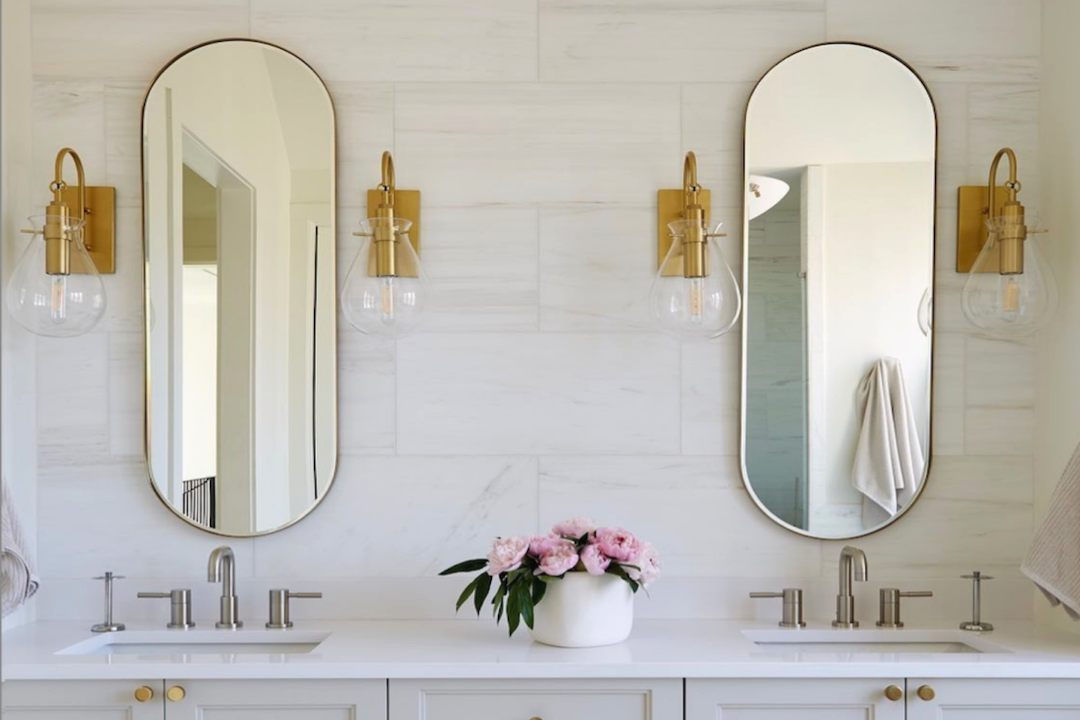
When positioned correctly on either side of a mirror, wall lights cast an even illumination across the face, minimizing shadows that can be created by overhead fixtures. This even distribution of light ensures accurate color rendition and detail visibility, preventing misjudgments during personal grooming. A light source directly above a mirror, for example, can cast harsh shadows under the eyes and chin, obscuring details. Side-mounted sconces act as a pair of guiding beacons, illuminating the landscape of the face without creating valleys of shade.
Enhancing Visual Comfort
The placement and type of wall light also impact visual comfort. Lights installed at eye level or slightly above can reduce glare, especially when compared to overhead lights reflecting directly off mirrors. Diffused light sources, such as those with frosted glass or fabric shades, further soften the illumination, preventing harsh contrasts and eye strain. The aim is to create a well-lit work surface that is neither too bright nor too dim.
Ambient Lighting for Atmosphere
Beyond their role as task lighting, wall lights can significantly contribute to the ambient lighting of a bathroom, shaping the overall mood and feel of the space.
Softening the Overall Illumination
In contrast to the often utilitarian brightness of central ceiling fixtures, wall lights can introduce a softer, more inviting glow. This diffused light can reduce the starkness of a brightly lit bathroom, creating a more relaxed and spa-like atmosphere. The architectural fabric of the room, often composed of hard, reflective surfaces, benefits from this gentler illumination, preventing an overly clinical appearance. Think of them as supplemental streams contributing to the overall river of light within the room.
Defining Architectural Features
The strategic placement of wall lights can highlight architectural elements within the bathroom, such as textured walls, alcoves, or decorative tile work. Up-lighting or down-lighting techniques, where the fixture directs light upwards or downwards respectively, can draw attention to specific features, adding depth and visual interest to the room. A wall light positioned to graze a textured stone wall, for instance, will emphasize its natural variations and patterns. They act as spotlights, drawing the eye to the stage-set of the room.
Aesthetic Considerations for Bathroom Wall Lights
The visual appeal of wall lights is as important as their functional utility. They are integral components of the bathroom’s design language, capable of reinforcing or redefining its style.
Complementing Bathroom Style
Wall lights are available in a vast array of designs, materials, and finishes, allowing them to integrate seamlessly with diverse bathroom aesthetics, from modern minimalism to traditional grandeur.
Modern and Contemporary Designs
For a modern or contemporary bathroom, wall lights often feature clean lines, geometric shapes, and minimalist profiles. Materials such as brushed chrome, polished nickel, matte black, and sometimes even unadorned glass or acrylic are common. The design prioritizes sleekness and understated elegance, with functionality often dictating form. These lights act as subtle accents in a visually uncluttered space.
Traditional and Classic Styles
In traditional or classical bathrooms, wall lights may incorporate more ornate details. Finishes like antique brass, bronze, and polished chrome are frequently used, often paired with glass shades that mimic historical designs, such as fluted or etched glass. Crystal accents or decorative metalwork can further enhance their classic appeal. These lights operate as period-appropriate jewels, enhancing the room’s established narrative.
Transitional and Eclectic Approaches
Transitional bathrooms, which blend elements of both modern and traditional styles, offer flexibility in wall light selection. Fixtures that combine classic silhouettes with contemporary finishes, or vice versa, can be particularly effective. Eclectic bathrooms provide even greater freedom, allowing for the mixing of different styles and eras to create a unique and personalized space. Here, the wall light becomes a carefully chosen narrative element, contributing to the room’s layered story.
Material and Finish Selection
The material and finish of a wall light significantly impact its durability, maintenance requirements, and overall visual contribution to the bathroom.
Durability in Humid Environments
Bathrooms are characterized by high humidity and fluctuating temperatures. Therefore, selecting wall lights constructed from corrosion-resistant materials is crucial. Metals such as stainless steel, brass, and aluminum with appropriate coatings are more suitable than untreated iron or certain plated finishes that may tarnish over time. IP ratings (Ingress Protection) indicate a fixture’s resistance to water and dust, with higher numbers denoting greater protection, a key consideration for bathroom applications. A well-chosen material acts as a resilient shield against the environmental assaults of a bathroom.
Coordinating with Fixtures and Hardware
To achieve a cohesive aesthetic, the finish of wall lights should ideally harmonize with other metal fixtures and hardware in the bathroom, such as faucets, showerheads, towel bars, and cabinet pulls. Consistent finishes, whether polished chrome, brushed nickel, or matte black, create a sense of unity and deliberate design. Divergence in finishes can be intentional in eclectic designs but typically requires careful consideration to avoid visual dissonance. The wall light, then, becomes another voice in the metallic choir of the bathroom.
Choosing the Right Wall Light Type
The variety of wall light types available allows for tailored solutions for specific lighting needs and design preferences within the bathroom.
Up-lighting, Down-lighting, and Bidirectional
The direction in which a wall light casts its illumination plays a significant role in creating different visual effects and addressing various lighting requirements.
Highlighting Wall Textures and Artwork
Up-lighting, where the light beam is directed upwards, can effectively highlight architectural details, textured walls, or artwork positioned above the fixture. This technique can create a dramatic effect, drawing the eye upwards and adding depth to a room. Down-lighting, conversely, casts light downwards, providing a more focused illumination often used to highlight specific areas or surfaces below the fixture. A down-light positioned above a towel rack, for example, combines functionality with aesthetic accentuation.
Creating Atmospheric Effects
Bidirectional wall lights, which emit light both upwards and downwards, offer a versatile solution for general ambient lighting. They can create a softer, more diffused glow that washes across a wider wall area, contributing to a sense of spaciousness and warmth. The interplay of light and shadow created by these fixtures can add visual interest and a subtle sculptural quality to the bathroom walls, acting like a painter’s brush strokes on a canvas of light.
Sconces vs. Vanity Bars
While often used interchangeably, “sconce” typically refers to a single, often decorative, wall-mounted light fixture, whereas a “vanity bar” is a linear fixture containing multiple light sources, specifically designed for placement above a mirror.
Individualized Style with Sconces
Sconces offer greater flexibility in terms of style and placement. They can be chosen individually to complement the bathroom’s aesthetic and positioned on either side of the mirror at an ideal height for balanced facial illumination. Their individual nature allows for precise control over light distribution and can serve as decorative elements even when not illuminated. Each sconce is a singular star in the constellation of the bathroom’s design.
Uniform Illumination with Vanity Bars
Vanity bars provide a continuous and uniform strip of light, often preferred for a sleek, contemporary look. They eliminate the need for careful alignment of individual fixtures and can provide substantial illumination across a wider mirror. However, proper height and output considerations are crucial to avoid glare and unflattering shadows. A vanity bar acts as a linear river of light, consistently flowing across the landscape of the mirror.
Placement and Installation Considerations
The effective integration of wall lights into a bathroom design relies heavily on strategic placement and adherence to proper installation guidelines, particularly concerning electrical safety in wet environments.
Optimal Height and Spacing
Correct placement of wall lights is paramount for achieving both functional effectiveness and visual appeal. Incorrect positioning can lead to unflattering shadows, glare, or an unbalanced aesthetic.
Eye-Level for Vanity Lighting
For task lighting around a vanity mirror, wall lights are generally recommended to be mounted at eye level, typically between 60 to 65 inches (about 152 to 165 cm) from the finished floor. When placed on either side of the mirror, they should be spaced approximately 36 to 40 inches (about 91 to 102 cm) apart, or slightly wider than the mirror itself, to ensure even facial illumination. This strategic placement acts as two sentinels, ensuring no shadow may encroach upon your reflection.
General Ambient Placement
For ambient wall lighting, the placement can be more flexible, often determined by architectural features or desired visual effects. Up-lights may be placed lower to emphasize vertical surfaces, while down-lights might be higher to focus illumination on specific areas below. Consideration of existing electrical boxes and the overall room layout is crucial during planning. These lights act as discreet illuminators, painting with light across the room’s surfaces.
Electrical Safety and IP Ratings
Due to the presence of water and humidity, electrical installations in bathrooms are subject to stringent safety regulations. Understanding and adhering to these requirements is critical.
Zoning Regulations for Bathrooms
Building codes typically divide bathrooms into different “zones” based on their proximity to water sources. Each zone has specific requirements for the IP rating of electrical fixtures. For example, fixtures within a shower enclosure or directly above a bathtub (Zone 0/1) require a high IP rating (e.g., IP67 for immersion protection), while areas further away from direct water spray (Zone 2/3) have less stringent but still important IP requirements (e.g., IP44 for splash protection). It is imperative to consult local building codes and regulations. These zones act as concentric rings of caution, each demanding a specific level of protection.
Professional Installation Recommended
Given the complexities of bathroom electrical wiring and safety standards, professional installation by a qualified electrician is highly recommended. This ensures that wall lights are correctly wired, grounded, and sealed according to code, minimizing the risk of electrical hazards. Attempting DIY electrical work without proper expertise can lead to serious safety repercussions. An electrician acts as a skilled cartographer, mapping out the safe electrical pathways within your bathroom.
Light Source Technology in Wall Lights
The type of light source (bulb) used in bathroom wall lights impacts energy efficiency, light quality, and longevity. Modern advancements offer several compelling options.
LED Technology
Light-Emitting Diode (LED) technology has become the dominant choice for bathroom lighting due to its numerous advantages.
Energy Efficiency and Longevity
LEDs are highly energy-efficient, converting a large percentage of electricity into light rather than heat. This results in significantly lower electricity consumption compared to traditional incandescent or halogen bulbs, leading to substantial energy savings over time. Furthermore, LEDs boast exceptionally long lifespans, often tens of thousands of hours, reducing the frequency and cost of bulb replacement. An LED is a long-distance runner in the marathon of illumination.
Color Temperature and Dimming Options
LEDs offer a wide range of color temperatures, from warm white (around 2700K-3000K, mimicking incandescent light) to cool white (around 4000K-5000K, often preferred for task lighting) and even daylight (above 5000K). This flexibility allows for tailoring the light quality to specific preferences and functions. Many LED fixtures are also dimmable, enabling users to adjust the brightness to suit different moods and activities, from bright task lighting to soft ambient glow. The color temperature dial acts as a thermostat for the light’s emotional warmth or coolness.
Traditional Incandescent and Halogen (Less Common)
While less common in new installations due to their energy inefficiency, incandescent and halogen bulbs are still found in some existing fixtures.
Warmth and Color Rendition
Traditional incandescent bulbs produce a warm, inviting glow (typically around 2700K) that many find aesthetically pleasing. They also generally offer excellent color rendition, making colors appear vibrant and true. Halogen bulbs, a type of incandescent, provide a brighter, whiter light with similarly good color rendering. However, their short lifespan and high heat output make them less desirable for modern bathrooms. They emit a comforting, familiar hum of light, but at significant energetic cost.
Energy Inefficiency and Heat Output
Both incandescent and halogen bulbs are significantly less energy-efficient than LEDs, converting a substantial portion of their energy into heat. This can contribute to increased cooling costs and may not be ideal in a bathroom where managing ambient temperature is already a consideration. Their luminous efficiency is akin to a less efficient engine, producing more waste heat than useful output.
Maintenance and Care for Bathroom Wall Lights
Proper maintenance and care ensure the longevity, aesthetic appeal, and continued functionality of bathroom wall lights.
Regular Cleaning Practices
The humid environment of a bathroom can lead to the accumulation of dust, condensation marks, and mineral deposits on light fixtures. Regular cleaning helps preserve their appearance and maximize light output.
Gentle Cleaning Agents
For most wall lights, a soft, damp cloth with a mild, non-abrasive cleaner or plain water is sufficient. Avoid harsh chemicals, aerosol sprays, or abrasive scrubbing pads, as these can damage finishes, glass, or delicate components. Always ensure the light fixture is turned off and cool before cleaning. For glass shades, a glass cleaner can be used, applied to the cloth first rather than directly to the fixture. This gentle approach is like a soft touch, preserving the delicate surfaces.
Addressing Specific Finishes
Different finishes may require specific care. Polished chrome or nickel finishes can be buffed with a microfiber cloth to prevent water spots and maintain their shine. Matte black finishes benefit from gentle wiping to avoid streaks. Antique or bronze finishes may have a protective lacquer that should not be harshly cleaned, as this can remove the intentional aged patina. Each finish has its own skin, requiring a specific touch.
Bulb Replacement and Longevity
While LED bulbs offer extended lifespans, eventual replacement is inevitable. Knowing how to safely and effectively replace bulbs contributes to the sustained functionality of the light fixture.
Safe Replacement Procedures
Always turn off the power to the light fixture at the circuit breaker before attempting to replace a bulb. Allow the old bulb to cool completely before removal. Use gloves when handling new halogen or some LED bulbs, as oils from the skin can reduce their lifespan or affect performance. Ensure the replacement bulb matches the specified wattage and bulb base type for the fixture. Safety is the first commandment when working with electrical components, ensuring no unwelcome sparks disrupt the process.
Extending Fixture Lifespan
Beyond bulb replacement, routine checks for loose wiring, corrosion, or signs of wear can prevent more significant issues. Ensuring that gaskets and seals remain intact, especially in IP-rated fixtures, helps prevent moisture ingress. By proactively addressing minor maintenance needs, you can extend the operational life of your bathroom wall lights and maintain their optimal performance. This vigilant care acts as a guardian, protecting the fixture from the ravages of time and environment.
By carefully considering these aspects, from functional needs to aesthetic integration and practical upkeep, you can effectively enhance your bathroom with the strategic incorporation of wall lights, creating a space that is both well-lit and visually appealing.