Okay, so you’re looking to level up your reading sessions, huh? Want to make those cozy corners even cozier and those late-night page-turners a lot easier on the eyes? You’ve probably wondered if there’s a better way than squinting under a dim overhead bulb or relying on a bedside lamp that shines in your partner’s face. The good news is, there absolutely is. Adjustable wall lights are a fantastic, practical solution that can totally transform how you read. Think of them as your personal reading spotlight, designed to put the light exactly where you need it, when you need it.
Why Adjustable Wall Lights Are a Game-Changer for Readers
Let’s be real, reading is one of life’s simple pleasures, but it shouldn’t come with eye strain. Traditional lighting Vogolighting often forces you to compromise. Either the room is too dark, or the light is too harsh and in the wrong spot. Adjustable wall lights solve this by giving you precise control. You can direct the beam exactly onto your book, not the entire room, minimizing distractions and maximizing your comfort. Plus, they free up valuable surface space that a traditional reading lamp might hog. It’s about creating a functional, comfortable, and enjoyable reading environment, tailored specifically to you.
This isn’t just about slapping a light on the wall. Where you position your adjustable wall light makes a huge difference in how effective it is and how it integrates into your space. Getting this right means better light quality and a more aesthetically pleasing setup.
Side-Lighting vs. Overhead Reading
- Side-Lighting: Most people naturally gravitate towards placing their reading light to the side of their reading chair or bed. This is often the most comfortable option because it illuminates the page directly without casting harsh shadows or creating glare. The light beam falls onto the page from an angle, making the text clear and easy to see.
- Overhead (but adjustable): While less common for dedicated reading lights, some adjustable wall fixtures can be mounted slightly overhead. The key here is that the adjustability still allows you to angle the light down onto your page. This can work well in smaller spaces or if you want to minimize wall clutter. The crucial element is being able to direct the light precisely.
Considering Your Reading Nook’s Layout
- Armchair Reading: If you have a favorite armchair, think about the height and reach of the light. You want it to be at a comfortable height for your hands when you’re holding a book, typically around shoulder height or slightly higher, allowing you to pivot the head to direct the beam onto the pages.
- Bedside Reading: For reading in bed, placement is critical for your comfort and that of anyone sharing the bed. A light that swivels and pivots is ideal. You can often mount these on either side of the headboard, ensuring you have clear illumination without waking up your partner. Consider how far you typically lean out of bed to read.
- Window Seat or Alcove: These spots are natural reading havens. An adjustable wall light can enhance the coziness. You might mount it on the wall behind the seat, or on the adjacent wall if space is tight, so you can direct the light onto your lap or book.
The Importance of Reach and Swivel
- Arm Extension: Many adjustable wall lights feature an articulated arm. This “reach” allows you to pull the light closer to you or push it further away. This is incredibly useful because it means you can adapt the light’s position based on whether you’re sitting upright, leaning back, or even if you’re reading a larger book or magazine.
- Pivot Head: Beyond the arm, the light fixture itself usually has a head that can swivel and tilt. This is where the real precision comes in. You can fine-tune the angle of the beam to eliminate glare bouncing off the page, which can be a real problem with less flexible lights.
Types of Adjustable Wall Lights to Consider
It’s not a one-size-fits-all situation. The world of adjustable wall lights offers a few variations, each with its own benefits depending on your style and needs.
Swing-Arm Sconces: The Classic Choice
- What they are: These are probably what most people picture. They have a visible arm that extends from the wall, often with multiple points of articulation, allowing you to pull the light source in various directions.
- Pros for readers: Excellent reach and flexibility. You can position the light directly over your book easily. Many include a switch directly on the fixture, which is super convenient.
- Cons: Can be a bit more visually prominent, so consider your room’s aesthetic.
Articulated Arm Task Lights: Sleek and Modern
- What they are: These often have a more minimalist design, with a clean arm and a focused light head. They’re designed for task-oriented lighting, making them perfect for reading.
- Pros for readers: Very precise control over light direction. They tend to integrate seamlessly into modern decor. Many have integrated LED technology.
- Cons: Some might not have as much “reach” as traditional swing-arm sconces.
Gooseneck Lamps: Simple and Flexible
- What they are: Characterized by a flexible metal neck that can be bent and shaped, the “gooseneck” is the defining feature.
- Pros for readers: Extremely easy to adjust on the fly. You can bend the neck to get the light exactly where you want it with minimal fuss. Often more budget-friendly.
- Cons: The gooseneck might not hold its position as rigidly as a more structured arm over time, and aesthetically, they might feel more utilitarian for some.
Wall-Mounted Reading Lights with Integrated Shelves or Trays
- What they are: These combine the functionality of a light with a small ledge or tray.
- Pros for readers: Practical for keeping your book, glasses, or a small drink close at hand. Reduces the need for a separate side table.
- Cons: Can be bulkier and might not fit every space. The tray might not be positioned perfectly for every reading style.
Light Quality and Functionality: Beyond Just Brightness
When we talk about reading lights, it’s about more than just how much light they produce. The quality of that light, and how it functions, matters a lot for preventing eye strain.
Color Temperature: Warm vs. Cool Tones
- Warm White (2700K-3000K): This is like the soft glow of a traditional incandescent bulb. It’s relaxing, cozy, and often preferred for evening reading as it’s less likely to disrupt sleep patterns by suppressing melatonin. It creates a welcoming atmosphere.
- Cool White/Daylight (4000K-6500K): This light is brighter and more invigorating, mimicking natural daylight. It can be excellent for tasks requiring focus and detail. Some people find it helpful for reading dense text or if they tend to feel drowsy while reading. However, for prolonged nighttime reading, it can be too stimulating.
- Adjustable Color Temperature: The real luxury? Lights where you can actually change the color temperature. This lets you tailor the light to your mood or the time of day – warm and cozy for winding down, or a bit brighter and whiter for active reading.
Brightness (Lumens) and Dimming Capabilities
- Lumens: This measures the light’s brightness. For reading, you typically want enough lumens to clearly illuminate the page without being glaring. Around 400-800 lumens is often sufficient, but this depends on your personal preference and other ambient light.
- Dimming: This is a must-have for true customization. Being able to dim your reading light means you can lower it for a gentle glow when you’re just relaxing with a book, or turn it up for brighter illumination when tackling a complex chapter or reading fine print. It’s about having control over intensity.
CRI (Color Rendering Index): Seeing Colors Naturally
- What is CRI? This index tells you how accurately a light source reveals the true colors of objects compared to natural sunlight. A higher CRI (above 80) means colors will look richer and more natural.
- Why it matters for readers: While not as critical as color temperature or brightness for the act of reading itself, a good CRI means any illustrations in your books, or even the subtle colors of your room, will appear as they’re meant to. It contributes to a more pleasant visual experience overall.
Beam Angle: Focused vs. Flood
- Narrow Beam Angle: This creates a more concentrated pool of light. It’s excellent for precise illumination directly on your book, minimizing light spill into the rest of the room. This is often ideal for single-person reading spots.
- Wider Beam Angle: This distributes light over a larger area. Less precise for focused reading, but can be useful if you’re reading with someone else or want to cast a bit more ambient light in your immediate vicinity. Most adjustable reading lights offer a relatively focused beam.
Integrating Adjustable Wall Lights into Your Decor
Just because it’s functional doesn’t mean it can’t look good. Think of your reading light as a piece of art or a design element in your room.
Material and Finish Choices
- Metal Finishes: Brushed nickel, polished chrome, matte black, bronze, and brass are common. Consider your existing hardware and furniture. A matte black or brushed nickel often offers a contemporary feel, while bronze or brass can lend a more traditional or classic charm.
- Other Materials: Some lights might incorporate wood accents, fabric shades, or even frosted glass elements, adding texture and warmth.
Style Considerations: Modern, Traditional, Industrial
- Modern & Minimalist: Look for clean lines, geometric shapes, and often metallic finishes like brushed nickel or black. Articulated arm lights often fall into this category.
- Traditional & Classic: Think elegant curves, richer metals like antique brass or oil-rubbed bronze, and possibly details like finials or decorative backplates. Swing-arm sconces can lean traditional.
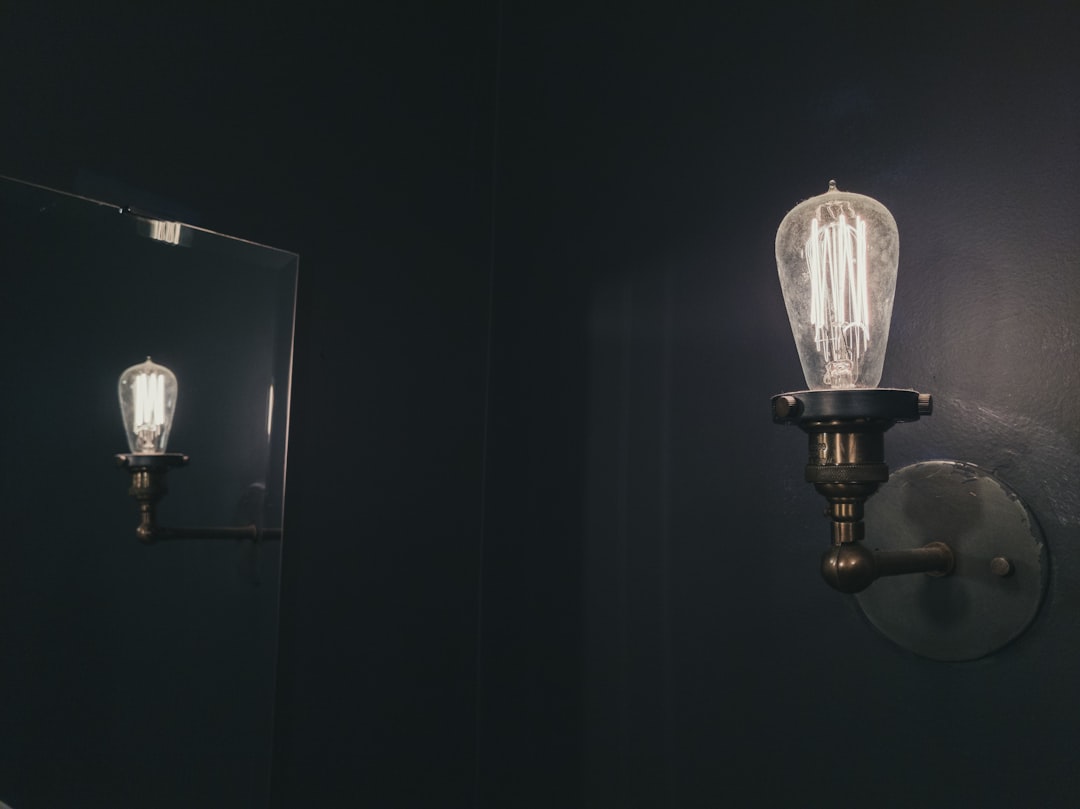
- Industrial: Exposed bulbs, raw metal finishes (like dark iron or galvanized steel), and a more rugged, utilitarian look. These can add a cool, edgy vibe.
Corded vs. Hardwired: Aesthetics and Installation
- Corded (Plug-in): These are the easiest to install. You simply plug them into an existing outlet. You’ll have a visible cord running down the wall, which you can manage with cord covers or clips to make it neater. This is a great option if you’re renting or don’t want to deal with electrical work.
- Hardwired: This involves connecting the light directly to your home’s electrical wiring. It offers a cleaner, more seamless look as there’s no visible cord. However, it requires professional installation or someone comfortable with electrical work. This is ideal for new builds or renovations where you can plan the wiring from the start.
Practical Tips for Maximizing Your Reading Experience
Beyond choosing the right light, a few small adjustments can make a world of difference to your reading comfort.
Controlling Glare and Shadows
- Angle is Everything: Experiment with the angle of the light. If you’re seeing a glare on the page, chances are the light is hitting it at a direct angle. Try shifting it slightly.
- Directional Control: Use the pivot and tilt features of your adjustable light. You want the light to fall onto the page, not shine directly into your eyes or create deep shadows behind your hands as you hold the book.
- Consider the Surface: If you’re reading on a glossy magazine or a smooth-paged book, glare can be more pronounced. A slightly more diffused light or a careful angling can help.
Using Your Light as an Ambient Source
- Not Just for Books: While primarily for reading, a well-positioned and dimmable adjustable wall light can also provide a pleasant ambient glow for the immediate area. You can use it to create a cozy mood even when you’re not actively reading.
- Layering Light: Combine your reading light with other softer light sources in the room. This prevents your reading area from feeling like a stark spotlight in an otherwise dark room. Think about floor lamps or subtle accent lighting.
Maintenance and Bulb Choices
- LED Benefits: Most modern adjustable lights come with integrated LEDs or use standard LED bulbs. LEDs are brilliant because they last a very long time, consume less energy, and produce less heat – meaning they’re safer and more cost-effective in the long run.
- Cleaning: Dust accumulates on any light fixture. A quick wipe-down with a soft, dry cloth will keep them looking their best and ensure the light isn’t diffused by dust. For glass shades, a mild glass cleaner might be needed occasionally.
Smart Home Integration (The Future is Now!)
- Voice Control: Some advanced adjustable wall lights can be integrated with smart home systems (like Alexa, Google Assistant, or Apple HomeKit). This means you can turn your light on/off, adjust brightness, and even change color temperature using voice commands. Imagine saying “Hey Google, turn on my reading light” from the comfort of your armchair.
- App Control: Many smart lights also come with dedicated apps. This allows for more granular control, scheduling, and setting up custom lighting scenes directly from your smartphone or tablet.
Making the Switch: Benefits You’ll Actually Notice
So, what’s the takeaway here? Why should you bother with all this? It boils down to tangible improvements in your daily life.
Reduced Eye Strain and Fatigue
- The Core Benefit: This is the biggest one. Proper, adjustable lighting means your eyes don’t have to work as hard to see text. This translates directly to less fatigue, fewer headaches, and a more enjoyable reading experience. You’ll find you can read for longer periods without feeling that familiar squinty-eyed feeling.
Enhanced Focus and Immersion
- Getting Lost in the Story: When the light is right, you’re less distracted by your surroundings or discomfort. This helps you get deeper into your book, truly immersing yourself in the narrative. The focus is on the words, not on fighting bad lighting.
Improved Sleep Hygiene (Yes, Really!)
- Warm Light, Better Sleep: Choosing warm-toned, dimmable lights for your evening reading can actually help improve your sleep. Cooler, brighter lights can suppress melatonin production, making it harder to wind down. Soft, warm light signals to your brain that it’s time to relax.
A More Organized and Appealing Space
- Freeing Up Surfaces: Wall-mounted lights eliminate the need for bulky bedside or floor lamps, freeing up precious table space. This can make your bedroom or living area feel more spacious and less cluttered.
- Design Integration: When chosen thoughtfully, adjustable wall lights can become a stylish design element that complements your existing decor, rather than just a functional necessity.
Switching to adjustable wall lights isn’t just about a new gadget; it’s about investing in your comfort and your enjoyment of one of life’s most rewarding activities. It’s a practical step towards a more pleasant, focused, and visually comfortable reading life.