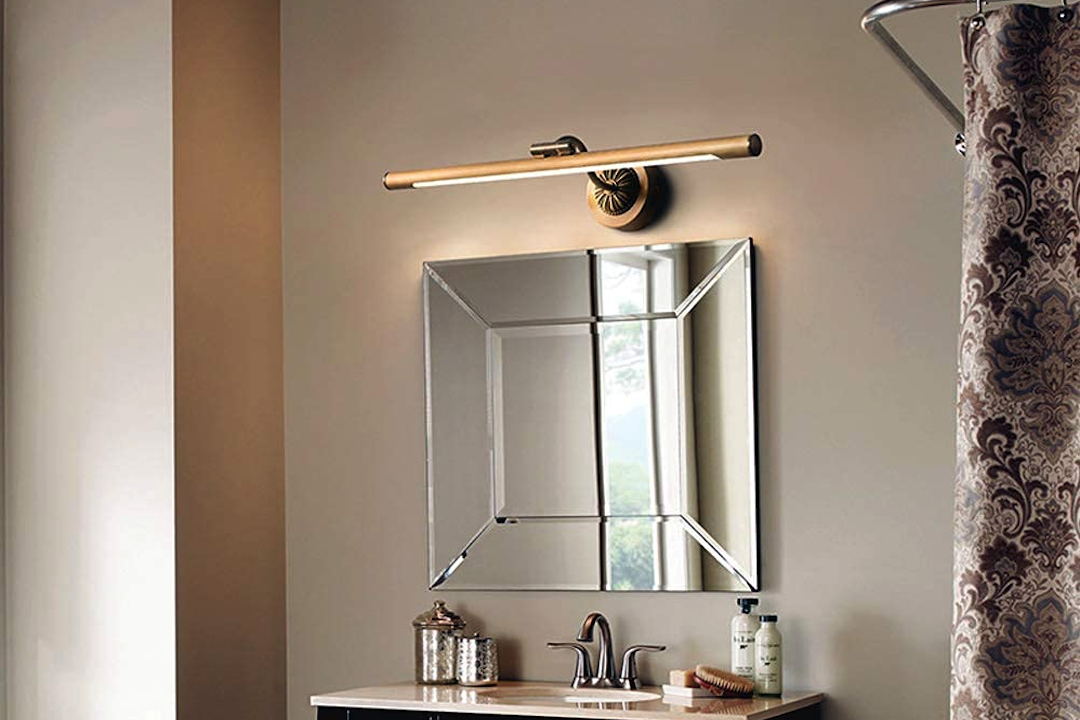
Thinking about adding a French vintage brass bathroom mirror lamp to your space? Good call. These aren’t just light fixtures; they’re pieces that bring history, character, and a warm, inviting glow to what can often be a purely functional room. The short answer is yes, they’re a fantastic choice for adding enduring style and practical illumination. They blend aesthetics with utility in a way modern fixtures often miss, creating a bathroom that feels less like a utility room and more like a personal sanctuary.
It’s not just a marketing term; there’s a real reason these lamps endure. “Timeless” in this context refers to designs that consistently look good over many decades, even centuries, without appearing dated.
Enduring Aesthetic Appeal
The core of their timelessness lies in their design principles. French vintage brass lamps Misls often draw from periods like Art Nouveau, Art Deco, or even earlier classical styles. These aren’t trends; they’re established artistic movements.
- Art Nouveau Curves: Think organic, flowing lines, often inspired by nature – vines, flowers, insect wings. This style brings a soft, graceful touch that counteracts the hard edges common in bathrooms.
- Art Deco Geometry: Characterized by strong lines, geometric patterns, and symmetrical designs. This offers a more structured, yet elegant, look that can complement both traditional and more contemporary spaces.
- Classical Proportions: Many designs borrow principles from classical architecture, emphasizing balance, symmetry, and understated ornamentation. This creates a sense of gravitas and refined beauty.
Quality of Materials
These lamps weren’t mass-produced from thin, plated metals designed to be replaced every few years. They were built to last.
- Solid Brass Construction: This is key. Solid brass tarnishes beautifully over time, developing a unique patina that plastic or thin veneers can never replicate. It’s heavy, durable, and speaks to craftsmanship.
- Hand-Blown Glass: Often, the diffusers or shades are hand-blown glass, sometimes frosted, etched, or even subtly colored. This softens the light and adds a level of artistry.
- Robust Wiring (Original Era): While original wiring always needs to be thoroughly checked or replaced for safety, the actual lamp bodies and connections were often built with sturdy, long-lasting components appropriate for their time.
Patina and Character
Unlike sterile modern finishes, brass ages. It develops a patina – a thin layer that forms on its surface as it oxidizes.
- Natural Aging Process: This isn’t damage; it’s character. Depending on the environment, brass can darken, develop greenish hues, or take on a rich, antique brown.
- Storytelling Element: Each lamp tells a story of its past. Scuffs, minor dents, and the unique patina are testaments to its journey through time and give it an authenticity that new items lack.
- Versatility in Patina: Some prefer a highly polished look, which is achievable with brass polish. Others prefer the natural, aged look. The beauty is you have the option, and even if polished, it will eventually re-patina.
Practicality in a Modern Bathroom
While aesthetics are important, a bathroom lamp needs to be practical. French vintage brass lamps, when properly restored, absolutely fit the bill.
Appropriate Lighting for Task & Ambiance
A good bathroom light does more than just shine. It needs to provide functional light for tasks like shaving or applying makeup, and also create a pleasant atmosphere.
- Diffused Light: Many vintage lamps feature frosted, opaque, or etched glass shades. This diffuses the light, reducing harsh glare and creating a soft, even illumination that’s flattering for grooming.
- Up-lighting and Down-lighting: Depending on the design, some lamps direct light upwards, bouncing it off the ceiling for ambient light, while others direct it downwards, providing focused task lighting on the mirror.
- Warm Tones: The brass itself often casts a warmer glow even with neutral bulbs, contributing to a more inviting and less sterile bathroom environment. This is a subtle but significant factor in comfort.
Durability and Longevity
As mentioned, these lamps were built to last. Their original quality means they often outlive contemporary fixtures.
- Corrosion Resistance: Brass is naturally resistant to corrosion, making it an excellent material for humid bathroom environments. Unlike some plated metals that can chip or flake, solid brass endures.
- Solid Construction: These aren’t flimsy. The substantial weight and solid construction mean they stand up to daily use and potential bumps better than many lightweight modern alternatives.
- Repairability: Unlike integrated LED fixtures, vintage lamps are designed with replaceable bulbs and largely repairable components. If a socket fails, it can usually be replaced by an electrician, extending the lamp’s life indefinitely.
Compatibility with Modern Decor
Despite their age, these lamps are surprisingly versatile and can complement a range of interior styles.
- Contrast and Interest: In a minimalist or very modern bathroom, a vintage brass lamp can act as a focal point, introducing warmth and character that breaks up stark lines. It adds a “soul” to the space.
- Harmonizing with Traditional: Naturally, in a traditionally styled bathroom – think clawfoot tubs, pedestal sinks, or marble countertops – they fit perfectly, enhancing the classic aesthetic.
- Eclectic Charm: For those who love an eclectic look, mixing periods and styles, a French vintage brass lamp is a natural fit, adding a layer of history and individuality. It becomes a conversation piece.
Sourcing and Restoration
Finding the right lamp and ensuring it’s safe and functional requires a bit of knowledge.
Where to Find Them
The hunt for a genuine vintage piece can be part of the fun.
- Antiques Dealers: Reputable antique stores, especially those specializing in lighting or European pieces, are a primary source. They often have knowledge about the lamp’s origin and may have already performed basic restoration.
- Flea Markets and Estate Sales: These can be treasure troves, but also require a more discerning eye. Prices might be lower, but the lamps are often “as-is” and will require restoration work.
- Online Marketplaces (e.g., Etsy, 1stdibs, eBay): Many sellers specialize in vintage lighting. Look for detailed descriptions, clear photos from multiple angles, and information about the lamp’s condition and any restoration work already performed. Always check seller reviews.
- Specialized Vintage Lighting Stores: Some stores focus solely on vintage and antique lighting, often offering restored and rewired pieces. This can be more expensive but offers convenience and peace of mind.
What to Look For When Buying
A few key indicators can help you assess a potential purchase.
- Solid Brass vs. Plated: Scratch a discreet, inconspicuous area. If it’s solid brass, the color underneath will be consistent. If it’s plated, you’ll see a different metal (often steel or zinc) underneath the brass layer. Solid brass is preferable for longevity and patina.
- Condition of the Metal:
- Cracks or Major Dents: While minor imperfections add character, significant damage might be difficult to repair without compromising the lamp’s integrity.
- Verdigris (Green Patina): Some green patina (verdigris) is normal on aged brass, especially in damp environments. Excessive, flaky verdigris might indicate prolonged exposure to harsh conditions, but can often be cleaned.
- Originality of Parts: Are the shades original? Are there any missing components? Sometimes a “marriage” of old parts can be attractive, but be aware if you’re looking for something authentically untouched.
- Wiring and Sockets: Assume all vintage wiring is unsafe unless proven otherwise. Look for brittle insulation, exposed wires, or corroded sockets. These must be replaced.
- Mounting Hardware: Does it come with its original mounting plate? If not, ensure a suitable modern alternative can be easily adapted.
The Restoration Process
Restoration is crucial for safety and functionality.
- Rewiring: This is non-negotiable. An old lamp needs to be professionally rewired to meet modern electrical safety standards. This involves replacing all internal wires, sockets, and often the switch.
- Safety First: New wiring prevents electrical shorts, fires, and shocks.
- Modern Compatibility: Ensures the lamp is compatible with modern bulbs and circuits.
- Insulation: Modern wires have superior insulation compared to older cloth or rubber-insulated wires.
- Cleaning and Polishing (Optional):
- Gentle Cleaning: Start with warm, soapy water to remove surface dirt.
- Patina Preservation: If you love the aged patina, clean gently and apply a wax or lacquer to protect it.
- Polishing: If you prefer a shiny look, use a reputable brass cleaner and polish, following instructions carefully. Be aware that polishing removes a tiny layer of metal each time.
- Structural Repairs: If there are loose joints or broken elements, these may require soldering or other specialized repair by a professional metal restorer.
Installation and Placement Considerations
Even the perfect lamp needs to be installed correctly and thoughtfully placed.
Electrical Safety in Bathrooms
This is paramount. High humidity and electrical fixtures demand extra precautions.
- Professional Installation: Always, always hire a licensed electrician to install any bathroom lighting. This is not a DIY job unless you are a qualified electrician yourself.
- IP Ratings: Modern bathroom fixtures often have an IP (Ingress Protection) rating, indicating their resistance to dust and water. While vintage fixtures won’t have this rating, your electrician will know where it’s safe to install them relative to sources of water (sink, shower, tub). Generally, further away is safer.
- Bonding and Grounding: The electrician will ensure the lamp is properly grounded and bonded according to local electrical codes. This is critical for preventing electrical shock.
- Damp-Rated vs. Wet-Rated: Understand the difference and ensure your electrician places the fixture in an appropriate zone. Most vintage fixtures should only be in “damp-rated” areas, away from direct spray.
Optimal Placement for Function and Aesthetics
Where you put the lamp makes a huge difference.
- Above the Mirror: A classic placement. For a single lamp, center it above a mirror for even light distribution. Ensure it’s high enough not to be hit, but low enough to effectively illuminate your face.
- Sconces Around the Mirror: For larger mirrors or dual sinks, flanking the mirror with a pair of matching vintage brass sconces often provides the best and most flattering light. This minimizes shadows on your face.
- Height and Proximity:
- Eye Level: Ideally, sconces should be placed roughly at eye level (around 60-65 inches from the floor) for optimal facial illumination.
- Distance from Mirror: Not too close that it glares, not too far that it’s ineffective. A few inches to a foot from the mirror’s edge is often a good starting point.
- Considering the Overall Design:
- Visual Balance: Ensure the lamp’s size and style are proportionate to your mirror, vanity, and the overall bathroom size. A tiny lamp on a huge mirror will look lost.
- Architectural Features: Work with existing features like wall niches, window frames, or ceiling heights.
Dimmer Switches
A simple addition that makes a huge difference in a bathroom.
- Adjustable Ambiance: A dimmer switch allows you to control the intensity of the light. Bright for task lighting, soft for a relaxing bath.
- Energy Efficiency: Dimming lights can extend bulb life and save energy.
- Compatibility: Ensure your vintage lamp, once rewired and fitted with modern bulbs (especially LEDs), is compatible with dimmer switches. The electrician will advise on the correct type of dimmer.
Maintenance and Care
Once installed, a French vintage brass bathroom mirror lamp will only require minimal, thoughtful care.
Cleaning Brass
Keeping your brass looking its best, whether polished or patinated, is straightforward.
- Dusting Regularly: Use a soft, dry cloth to prevent dust buildup, which can dull the finish over time.
- Gentle Washing: For general cleaning, a soft cloth dampened with warm water and a tiny drop of mild dish soap works wonders. Rinse with a clean damp cloth and dry thoroughly to prevent water spots.
- Polishing (For Shine): If you prefer a high-shine look, use a non-abrasive brass polish. Apply with a soft cloth, following product instructions, and buff to a shine. Do this infrequently to avoid excessive removal of the metal.
- Patina Care: If you cherish the patina, simply dust and wash gently. Avoid abrasive cleaners or strong chemicals that can strip the patina. You might consider a very light coat of clear wax or lacquer to protect it from further corrosion, especially in a humid bathroom.
Bulb Replacement
Modern bulbs offer great options for vintage fixtures.
- LED Filaments: Many LEDs now come in vintage-style filament designs, offering the aesthetic of old incandescent bulbs with the energy efficiency and longevity of LED technology. Look for “warm white” or “soft white” for a cozy glow.
- Wattage Equivalence: Pay attention to lumen output (brightness) rather than just wattage, as modern bulbs are much more efficient. Choose a brightness appropriate for your bathroom tasks.
- Color Temperature: Expressed in Kelvins (K). Aim for 2700K to 3000K for a warm, inviting light. Higher numbers (e.g., 4000K+) will be cooler and more clinical, which might not suit the vintage aesthetic.
- Accessibility: Ensure the lamp design allows for easy bulb replacement without requiring special tools or extensive disassembly.
Addressing Humidity Issues
Bathrooms are humid spaces, and while brass is resistant, some issues can still arise.
- Ventilation: Good bathroom ventilation is key. An effective exhaust fan removes moisture, protecting all bathroom fixtures and surfaces, including your brass lamp.
- Wipe Down: If condensation is regularly present on the fixture, gently wipe it down after showers to prevent water spots and slow down excessive patina development.
- Avoid Harsh Chemicals: Do not use abrasive bathroom cleaners, ammonia-based products, or strong disinfectants directly on your brass lamp, as they can damage the finish and accelerate corrosion.
A French vintage brass bathroom mirror lamp is more than just a light source; it’s an investment in character, quality, and enduring style. By understanding its allure, how to source and restore it, and how to properly install and care for it, you can bring a piece of history into your home that will be admired for years to come.