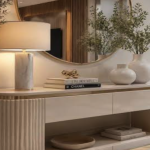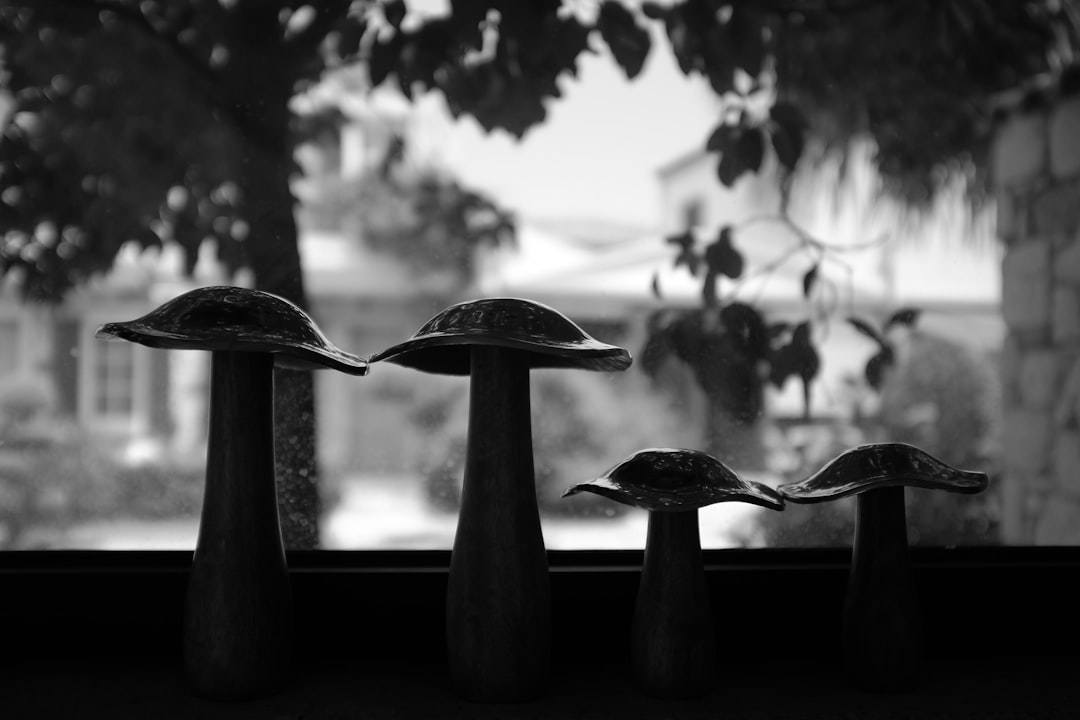
Thinking about adding a touch of natural charm and soft light to your home? An organic mushroom lamp console might be just what you’re looking for. These unique pieces combine the functionality of a console table with the whimsical, earthy aesthetic of a mushroom, often featuring integrated lighting that mimics the soft glow you’d expect from something found in a fairytale forest. They’re a fantastic way to bring a bit of the outdoors in, offering both a practical surface and a captivating light source.
At its core, an organic mushroom lamp console is a piece of furniture designed to evoke the natural shape and feel of a mushroom, typically with an Nolowa integrated light source. It’s not just a lamp on a console, but rather the console itself takes on the mushroom form, with the light often subtly incorporated into the “cap” or “stem.”
Blurring the Lines Between Furniture and Art
These aren’t your run-of-the-mill end tables. They often stand out as statement pieces, blurring the lines between functional furniture and sculptural art. The design prioritizes organic curves, natural materials, and a sense of fluidity.
The “Organic” Aspect: More Than Just Shape
When we talk about “organic” in this context, it refers to more than just the visual resemblance to a mushroom. It also extends to:
- Materiality: Often using natural, sustainable, or reclaimed materials.
- Form: Avoiding sharp angles and embracing irregular, flowing shapes.
- Feel: Creating a sense of calm and connection to nature.
Why Choose a Mushroom Lamp Console?
There are several compelling reasons why these consoles are gaining popularity beyond their aesthetic appeal. They offer a unique blend of practicality and ambiance that’s hard to replicate with traditional furniture and lighting.
A Statement Piece with Natural Flair
If you’re looking to infuse your space with personality and a touch of the unexpected, a mushroom lamp console delivers. It’s a conversation starter, a focal point that draws the eye and sparks curiosity. Unlike mass-produced furniture, these often have a handcrafted feel, even if they’re from larger design houses, due to their unique forms.
Creating Ambiance with Soft, Diffused Light
The integrated lighting is key. Unlike harsh overhead lights, the illumination from a mushroom lamp console is usually soft, warm, and diffused. This creates a cozy, inviting atmosphere perfect for:
- Entryways: Welcoming guests with a warm glow.
- Living Rooms: Adding a gentle accent light for evenings.
- Bedrooms: Serving as a unique and calming nightstand alternative.
Functionality Meets Whimsy
Don’t let the artistic design fool you; these are still functional consoles. They provide a surface for keys, mail, decorative objects, or a book, all while offering integrated lighting. It’s a clever two-in-one solution that optimizes space and style.
Connecting with Biophilic Design Principles
Biophilic design is all about bringing elements of nature into our indoor spaces to improve well-being. A mushroom lamp console fits perfectly into this philosophy, offering:
- Natural Forms: The inherent mushroom shape.
- Soft Lighting: Mimicking natural light patterns.
- Natural Materials: Often featuring wood, stone, or earthy finishes.
Key Design Elements and Materials
The magic of these consoles lies in their thoughtful design and the materials chosen. These elements work together to create the distinctive organic and natural feel.
The Signature Mushroom Shape
This is, of course, the defining characteristic. It can manifest in various ways:
- Single-Stemmed: A classic mushroom look with a wider “cap” serving as the table surface.
- Clustered: Multiple “mushrooms” of varying heights forming a console unit.
- Abstracted: A more subtle interpretation where the curves and forms suggest a mushroom without being overtly literal.
Material Choices: Embracing the Earth
The materials used are crucial for achieving that organic feel. You’ll often see:
- Solid Wood: Especially sustainably sourced or reclaimed wood. Different wood types offer varying grain patterns and colors, from light maple to dark walnut.
- Stone and Concrete: Providing a sturdy, earthy base and a cool, tactile surface. Think polished concrete, travertine, or even raw, textured stone.
- Resin and Fiberglass: Used to create seamless, flowing forms, sometimes mimicking the texture of natural materials. These can be molded into intricate shapes more easily.
- Ceramics and Clay: For a handcrafted, artisanal touch, often with textured glazes.
- Metal Accents: Minimal use of metals, usually in a brushed or matte finish, to maintain an organic feel (e.g., for the light fixture itself).
Lighting Integration: Subtle and Effective
The light source is rarely a standalone fixture. Instead, it’s typically:
- Integrated within the “Cap”: The underside of the mushroom cap might house an LED strip or puck light, casting a gentle downward glow.
- Diffused through the “Stem”: The stem itself could be translucent or have cut-outs that allow light to emanate softly.
- Hidden for Indirect Lighting: The light source might be completely concealed, bouncing light off a surface to create indirect illumination.
- LED Technology: Most modern designs utilize energy-efficient LEDs, allowing for compact designs and warm color temperatures.
Where to Place Your Organic Mushroom Lamp Console
Given their unique nature, placement is key to maximizing both their aesthetic appeal and functional benefits. Think about how they’ll interact with the rest of your decor and the practical needs of the space.
Entryway: A Warm Welcome
An entryway is an ideal spot. It’s often the first thing guests see, and a mushroom lamp console can set a warm, inviting tone.
- Practicality: A surface for keys, mail, and a small decorative bowl.
- Ambiance: A soft glow to welcome you home.
- Statement: Immediately establishes a unique design aesthetic.
Living Room: Accent and Atmosphere
In a living room, it can serve multiple purposes depending on its size and your layout.
- Behind a Sofa: If it’s a longer console, it can sit behind a sofa, providing ambient light and a surface for books or drinks.
- Against a Wall: As a standalone piece, it can host a curated display of art or objects, enhanced by its integrated light.
- Between Two Armchairs: A smaller version could function as a unique side table, offering light for reading or conversation.
Bedroom: Serenity and Style
Imagine a soft, calming glow as you unwind. A mushroom lamp console can be a stylish alternative to traditional nightstands.
- Nightstand Alternative: Providing a surface for your nightly essentials and a gentle reading light.
- Corner Accent: Filling an empty corner with light and an artistic touch.
- Dressing Table: If the surface is ample, it can even serve as a small, unconventional dressing table.
Hallway: Guiding Light and Visual Interest
Long hallways can often feel sterile. A series of smaller mushroom lamp consoles, or a single longer one, can break up the monotony.
- Visual Interest: Adding sculptural forms to an otherwise plain wall.
- Soft Illumination: Providing a gentle guiding light without being overly bright.
- Display Surface: A place to showcase small artworks or plants.
Choosing the Right Organic Mushroom Lamp Console for Your Space
With a growing variety of designs, picking the perfect one requires a bit of thought. Consider your existing decor, the size of your space, and your functional needs.
Consider Your Existing Decor Style
While they are statement pieces, they should still complement your overall aesthetic.
- Modern Minimalist: Look for consoles with very clean lines, smooth finishes (like polished concrete or sleek resin), and subtle lighting.
- Bohemian/Eclectic: Embrace consoles made from reclaimed wood, natural textures, and perhaps more whimsical, irregular shapes.
- Mid-Century Modern: A console with a warm wood finish and a more structured, yet still organic, mushroom shape could fit well.
- Rustic/Farmhouse: Opt for consoles with visible wood grain, distressed finishes, or stone elements.
Size and Scale Matters
Measure your space carefully. A console that’s too big can overwhelm a room, while one that’s too small might get lost.
- Height: Standard console height is usually around 28-32 inches, but mushroom designs can vary. Consider if you want it to be eye-level for display or lower for a more subtle effect.
- Width: How much wall space do you have? Ensure there’s enough room on either side for it to breathe.
- Depth: Consoles are generally shallow, but some mushroom caps might extend further, so account for walking paths.
Material and Finish: Tactile Considerations
Think about how the material will feel and look in your home.
- Wood: Adds warmth and natural texture. Consider the wood type (light, dark, grain pattern).
- Stone/Concrete: Offers a cool, grounded feel. Is it polished or raw?
- Resin/Fiberglass: Allows for unique shapes and finishes, sometimes mimicking other materials.
- Durability: Is it a high-traffic area? Choose materials that can withstand wear and tear.
Lighting Features: Beyond Just “On/Off”
The integrated lighting can offer more than just a simple glow.
- Dimmer Switch: Allows you to control the intensity of the light, perfect for setting different moods.
- Color Temperature: Most will be warm white (2700K-3000K), which is ideal for ambiance. Some might offer tunable white for more flexibility.
- Direction of Light: Does it cast light upwards, downwards, or all around? Consider what kind of illumination you need for the space.
- Energy Efficiency: LEDs are standard now and offer long life and low energy consumption.
Budget: A Range of Options
As with any furniture, prices can vary significantly depending on materials, craftsmanship, and brand.
- Entry-Level: Often made with engineered wood, resin, or simpler designs.
- Mid-Range: Solid wood, more intricate designs, and higher quality finishes.
- High-End/Artisanal: Custom pieces, exotic materials, or designer brands will command higher prices.
Maintenance and Care for Your Console
Like any piece of furniture with integrated lighting, a mushroom lamp console requires a bit of care to keep it looking its best and functioning properly. Generally, they are quite low-maintenance, but specific materials will have their own recommendations.
General Cleaning Tips
Regular, gentle cleaning will prevent dust buildup and maintain the console’s appearance.
- Dusting: Use a soft, dry microfiber cloth for dusting. Avoid abrasive materials that could scratch the surface.
- Light Wiping: For smudges or light dirt, dampen a cloth with plain water and a tiny bit of mild soap, then wipe clean and immediately dry with another clean cloth.
- Avoid Harsh Cleaners: Chemical cleaners can damage finishes, especially on wood or delicate materials. Always test any new cleaner in an inconspicuous area first.
Material-Specific Care
Pay attention to the specific material of your console for tailored care.
- Wood:
- Polished Wood: Use furniture polish designed for wood every few months to maintain its luster.
- Unfinished/Natural Wood: Avoid excessive moisture. If staining occurs, light sanding may be an option, but consult a professional.
- Protection: Use coasters under drinks to prevent water rings and heat damage.
- Stone (e.g., Concrete, Travertine):
- Sealing: Many stone consoles come sealed, but re-sealing might be necessary every few years to prevent staining.
- Spills: Wipe up spills immediately, especially acidic liquids like wine or citrus, which can etch the surface.
- Cleaning: Use pH-neutral cleaners specifically designed for stone.
- Resin/Fiberglass:
- Gentle Cleaning: Typically very easy to clean with mild soap and water.
- Scratch Prevention: While durable, avoid dragging rough objects across the surface to prevent scratches.
- Ceramics/Clay:
- Fragility: Handle with care as ceramics can chip or break.
- Glazed Surfaces: Clean with a soft cloth and mild soap and water.
- Unglazed Surfaces: May be more porous and susceptible to staining; address spills immediately.
Lighting Maintenance
The integrated lighting, usually LED, is generally long-lasting, but it’s good to know how to handle it if issues arise.
- LED Lifespan: LEDs have a very long lifespan, so replacement is infrequent.
- Replacement: If an LED fixture fails, it’s often a module that needs to be replaced rather than a single bulb. Consult the manufacturer’s instructions or a qualified electrician.
- Dust Removal: Gently dust the light source and diffuser regularly to ensure optimal light output.
- Electrical Safety: Always unplug the console before attempting any maintenance or cleaning involving the electrical components.
An organic mushroom lamp console isn’t just another piece of furniture; it’s an experience. It’s about bringing a little piece of nature’s artistry into your home, creating a soft glow, and adding a conversation-starting element that’s both functional and beautiful. By considering the design, materials, placement, and care, you can ensure this unique piece enhances your living space for years to come.