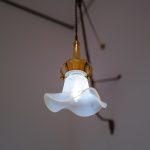
Japandi style handblown glass wall washer lights are a fantastic way to bring elegant minimalism into your home, blending the clean lines of Scandinavian design with the serene beauty of Japanese aesthetics. These lights aren’t just about illuminating a space; they’re about creating an atmosphere, highlighting textures, and adding a touch of handcrafted artistry without being ostentatious. Essentially, if you’re looking for lighting that’s understated yet impactful, creating a calming, sophisticated environment, then this style of fixture is definitely worth exploring. They prioritize natural materials, soft, diffused light, and thoughtful design to achieve a sense of balance and tranquility.
Understanding the Japandi Aesthetic
At its core, Japandi is a beautiful fusion of Japanese interior design (think wabi-sabi, natural elements, and tranquil spaces) and Scandinavian design (hygge, functionality, and minimalist warmth). It’s about finding the sweet spot where these two seemingly distinct styles converge, creating something truly harmonious.
The Roots of Japandi
Japanese design often emphasizes natural materials, craftsmanship, and a deep respect for imperfection, or “wabi-sabi.” It’s about finding beauty in the simple, the aged, and the authentic. Spaces are often uncluttered, allowing individual elements to breathe and be appreciated. You’ll see a lot of wood, bamboo, paper, and pottery, all celebrating their natural forms and textures. The focus is on creating a serene, mindful environment.
Scandinavian design, on the other hand, is known for its practicality, bright and airy spaces, and cozy comfort. It emerged from countries with long, dark winters, so the emphasis is on maximizing natural light, using light-colored woods, and creating inviting, comfortable interiors. “Hygge” is a core concept, promoting warmth, well-being, and coziness. Functionality is paramount, but never at the expense of aesthetics.
How They Come Together
Japandi takes the best of both worlds. From Japan, it borrows the appreciation for natural textures, simple forms, and a philosophy of less-is-more. From Scandinavia, it adopts the focus on functionality, light, and creating a comfortable, livable space. The result is a style that is minimalist without being stark, warm without being cluttered, and elegant without being overly ornate.
Key characteristics you’ll often see in Japandi design include:
- Natural Materials: Lots of wood (often lighter tones like birch or darker ones like walnut), ceramic, linen, rattan, and, of course, glass.
- Neutral Color Palettes: Think earthy tones, soft grays, warm whites, and muted blues or greens. These colors contribute to the calm and serene atmosphere.
- Clean Lines and Simplicity: Furniture and decor tend to have straightforward, uncluttered forms.
- Functionality: Every item serves a purpose, but it also looks good doing it.
- Craftsmanship: There’s an emphasis on well-made, often handmade, items that show the care of their creation.
- Balance and Harmony: The overall aim is to create a peaceful, uncluttered environment that feels both sophisticated and inviting.
In the context of lighting, this means fixtures that use natural materials, provide soft, diffused light, and have a design that is subtle yet impactful, complementing the overall aesthetic rather than dominating it.
The Allure of Handblown Glass Wall Washer Lights
Handblown glass wall washer lights are particularly well-suited to the Japandi aesthetic because they embody several of its core principles: natural materials, craftsmanship, and the art of diffused light.
What Exactly is a Wall Washer Light?
Let’s clarify what a “wall washer” light actually does. Unlike a spotlight that directs a narrow beam, or a general overhead light that illuminates the whole room, a wall washer light is designed to evenly illuminate a vertical surface, typically a wall. The light is spread broadly and uniformly, “washing” the wall with light from top to bottom. This technique achieves several things:
- Accentuates Texture: If you have a beautiful textured wall (like exposed brick, natural wood panels, or even just a subtly painted wall), a wall washer light will highlight those textures, adding depth and interest to the space.
- Creates Ambiance: Instead of direct glare, wall washing provides soft, indirect light that bounces off the wall, contributing to a much softer, more inviting atmosphere. It helps to expand the visual perception of the room, making it feel larger and more open.
- Minimizes Shadows: By evenly distributing light, wall washers reduce harsh shadows, making a space feel more consistent and less dramatic in a potentially jarring way.
- Architectural Enhancement: They can be used to draw attention to architectural features, artwork, or to simply make a plain wall a feature in itself through illumination.
Why Handblown Glass?
The “handblown glass” aspect adds a significant layer of appeal and quality to these fixtures, especially within the Japandi context.
Unique Character
No two pieces of handblown glass are ever exactly alike. The artisan’s breath, the subtle variations in the glass mixture, and the movements during the blowing process create minute differences that give each fixture a unique character. This aligns perfectly with the wabi-sabi philosophy of appreciating imperfection and the beauty of the handmade. It’s a rejection of mass-produced uniformity in favor of something with a soul.
Organic Form and Texture
Handblown glass often possesses a more organic, fluid form compared to machine-made glass. Even if the overall shape is simple, the surface can have subtle undulations or imperfections that catch the light in interesting ways. When illuminated, these irregularities can diffuse the light beautifully, creating a soft glow rather than a harsh, uniform beam. The inherent properties of glass – its clarity, its ability to refract light, and its potential for subtle tints – are maximized through the handblowing process.
Material Integrity
Glass itself is a natural material, derived from sand. When handblown, it celebrates this material in its purest form. It’s durable, timeless, and aesthetically versatile. The transparency or translucency of glass allows for light to pass through and interact with the material itself, making the fixture an active participant in light dispersion rather than just a housing for a bulb.
Craftsmanship and Value
Choosing handblown glass is an investment in craftsmanship. It speaks to a preference for items that are made with care and skill, reflecting a respect for traditional techniques. This resonates with the Japandi emphasis on quality over quantity and appreciating items that tell a story. It’s about having pieces in your home that are not just functional but also works of art.
Design Elements and Features
When considering Japandi handblown glass wall washer lights, you’ll notice common design threads that contribute to their elegant, minimalist appeal. These elements are deliberately chosen to align with the core principles of the aesthetic.
Shape and Form
The shapes of these fixtures are typically very simple and understated. You won’t find ornate detailing or extravagant embellishments.
- Geometric Simplicity: Often, the glass diffusers are spheres, cylinders, flattened ovals, or softly curved rectangles. These fundamental geometric shapes provide a clean, modern look that doesn’t distract from the overall serenity of the space.
- Organic Silhouettes: While geometric, the handblown process can lend a subtle organic quality to even the most basic forms. Slight irregularities in the glass prevent them from looking sterile or mass-produced, adding warmth and character.
- Flush or Low-Profile Mounts: To maintain the sleek, uncluttered Japandi look, these lights are often designed to sit close to the wall. This minimizes their visual footprint, making them feel integrated into the architecture rather than protruding dramatically.
Glass Type and Finish
The type of glass and its finish play a crucial role in how the light is diffused and how the fixture appears.
- Opal or Frosted Glass: This is a very common choice because it’s excellent for diffusing light. Opal glass (often milky white) or frosted glass softens the light source, eliminating harsh glare and creating a uniform, gentle glow that is perfect for washing a wall.
- Clear Glass with Internal Diffuser: Sometimes, the outer glass might be clear, but an internal, smaller frosted or opal diffuser encapsulates the bulb. This offers a different aesthetic while still achieving soft light.
- Smoked or Tinted Glass: Less common for direct “wall washing” as it can reduce light output, but for a moodier, more atmospheric effect in certain Japandi spaces, subtly smoked or tinted glass can be used, often with warmer-toned bulbs. The tint would be very light, emphasizing transparency rather than opacity.
- Subtle Textures: Some handblown glass might feature very subtle ripple effects or slight variations in thickness that create interesting light play without being overtly decorative.
Mounting and Hardware
The hardware used for mounting is just as important as the glass itself in maintaining the minimalist aesthetic.
- Minimalist Backplates: The part that attaches to the wall (the backplate) is usually very discreet. It might be a simple circular or square plate, often in a finish that blends seamlessly with the wall or complements the glass.
- Concealed Fastenings: Screws and other attachment points are often hidden or designed to be as unobtrusive as possible, ensuring a clean, uninterrupted look.
- Material Complement: The mounting hardware typically uses materials that align with the Japandi palette:
- Matte Black: A popular choice for a contemporary, sophisticated contrast, especially against lighter walls.
- Brushed Brass or Bronze: Adds a touch of understated warmth and elegance without being shiny or ostentatious.
- White or Light Gray: To blend in perfectly with a neutral wall, making the light source itself the primary visual element.
- Natural Wood Accents: Occasionally, a small wooden detail on the backplate or stem can reinforce the natural material focus.
The overall goal is for the hardware to support the glass beautifully without drawing undue attention to itself, allowing the diffused light and the quality of the handblown glass to be the focal point.
Practical Considerations for Integration
While the aesthetics are a huge draw, integrating Japandi handblown glass wall washer lights into your home also involves some practical decisions to ensure they function effectively and enhance your space.
Placement and Spacing
Where you put these lights and how far apart they are is crucial for achieving the desired wall washing effect.
- Height: Generally, wall washer lights are mounted a bit higher on the wall, typically above eye level (around 6-7 feet from the floor) but below the ceiling. This allows the light to spread downwards effectively. If mounted too low, they can create glare; too high, and the light might be concentrated near the ceiling.
- Distance from Wall: The fixture needs to be placed at an optimal distance from the wall it’s illuminating. If it’s too close, you’ll get a bright spot directly behind it and less even spread. If too far, the light might become too diffused or weak. A common rule of thumb is that the fixture should be mounted roughly one-third of the distance from the ceiling to the floor, and about 6-12 inches away from the wall. This can vary greatly depending on the beam spread of the light source within the glass.
- Spacing Between Fixtures: If using multiple lights along a wall, their spacing should be consistent and calculated to ensure an even wash without dark spots or overly bright overlaps. A general guideline is to space them approximately the same distance from each other as they are from the wall, or slightly more. For example, if a light is 8 inches from the wall, you might space them 16-24 inches apart. It’s often best to test this with a temporary setup or consult with a lighting designer.
- Purpose: Consider why you’re placing them there. Are they highlighting a gallery wall, emphasizing a textured surface, or just providing ambient light in a hallway? Their placement should serve that specific purpose.
Light Temperature and Dimming
The quality of light emitted is just as important as its distribution.
- Color Temperature (Kelvin): For a Japandi aesthetic, warmer color temperatures are generally preferred as they contribute to a cozier, more inviting atmosphere. Look for bulbs in the 2700K to 3000K range.
- 2700K: A warm, soft white, similar to incandescent bulbs. Excellent for creating a relaxing, intimate mood.
- 3000K: A slightly crisper warm white, still comfortable but a bit more neutral. Good for general living areas.
- Avoid anything above 3500K, as this can start to feel too cool or stark for the desired serene ambiance.
- Dimmer Compatibility: This is almost a non-negotiable for Japandi lighting. The ability to dim your wall washer lights allows you to adjust the intensity of the illumination to suit different times of day, moods, or activities. It’s essential for creating that adaptable, nuanced ambiance inherent in the style. Ensure both your chosen bulb and your fixture are dimmable, and use a compatible dimmer switch.
Bulb Type and Efficiency
Modern lighting offers several excellent options for wall washer fixtures.
- LED Bulbs: These are overwhelmingly the best choice for several reasons:
- Energy Efficiency: They consume significantly less energy than incandescent or halogen bulbs, saving you money on electricity bills.
- Longevity: LEDs last far longer, reducing the need for frequent bulb changes, especially in hard-to-reach fixtures.
- Low Heat Output: They produce very little heat, which is good for the fixture itself and the surrounding wall.
- Variety of Color Temperatures: As mentioned above, LEDs are available in a wide range of warm color temperatures perfect for Japandi.
- Dimmability: Most modern LEDs are dimmable, but always check the product specifications.
- Beam Angle: While the handblown glass itself will diffuse the light, the beam angle of the bulb inside also plays a role. For a wall washer effect, you generally want a bulb with a wider beam angle to help spread the light evenly. However, the glass diffuser will be the primary factor in softening and diffusing the light regardless.
By carefully considering these practical elements, you can ensure your Japandi handblown glass wall washer lights not only look beautiful but also perform optimally in enhancing the atmosphere of your home.
Styling and Complementing Your Space
Once you’ve chosen and installed your Japandi handblown glass wall washer lights, the next step is to ensure they fit seamlessly into your existing or developing Japandi-inspired interior. They should complement, not compete with, the other elements in the room.
Integrating with Existing Decor
Think of these lights as contributing to the overall narrative of your space.
- Material Harmony: Look at the other materials in your room. If you have light wood furniture, linen textiles, or ceramic pieces, the natural quality of the handblown glass and the subtle finishes of the hardware will tie in beautifully. Avoid introducing materials that feel overly glossy, highly reflective, or overtly synthetic.
- Color Palette Consistency: Your wall washer lights, particularly their illumination, should reinforce your chosen Japandi color palette of muted, earthy tones. The warm light will make these colors feel richer and more inviting. If your walls are already a soft white, gray, or muted green, the light will enhance these hues.
- Minimalist Mindset: Remember that Japandi embraces clutter-free spaces. These lights are inherently minimalist, and they’ll shine brightest in rooms that also embrace this philosophy. Don’t let other decorative elements overpower the subtle beauty of the lighting. Ensure there’s enough negative space around the fixture for it to be appreciated.
- Highlighting Features: Use the wall washer effect to draw attention to existing architectural details, a carefully curated piece of art, or a beautifully textured wall. The light shouldn’t just exist; it should serve a purpose in revealing other elements of your decor.
Creating a Serene Ambiance
The primary goal of Japandi lighting is to foster a sense of peace and tranquility.
- Layered Lighting: Wall washer lights are typically part of a layered lighting scheme. They provide excellent ambient light and can highlight specific features, but they might need to be complemented by other sources like floor lamps, table lamps, or even subtle ceiling lights for overall illumination or task lighting. The combination of different light sources at varying heights creates depth and warmth.
- Soft Glow, No Glare: The handblown glass diffuses the light beautifully, preventing harsh glare. This soft, even glow is central to creating a calming environment. Ensure the bulbs you choose also contribute to this by avoiding overly bright or poorly shielded light sources.
- Emphasizing Natural Elements: The light can be used to emphasize natural elements like indoor plants, wooden shelving, or stone features, bringing out their textures and making them feel more integrated into the living space.
- Mindful Placement: Consider the lines of sight. You want the light to wash the wall effectively without the fixture itself being an intrusive visual element from key vantage points in the room. It should feel like a natural part of the wall.
Avoiding Common Pitfalls
Even with the best intentions, it’s easy to make choices that detract from the Japandi aesthetic.
- Over-Lighting: Don’t put too many wall washers in one space, or choose ones that are too bright. The goal is subtle enhancement, not floodlighting. Too much light can feel sterile and disrupt the serene mood.
- Ignoring Bulb Choice: As discussed, the wrong color temperature (too cool) or a non-dimmable bulb can undermine the entire effect. Always prioritize warm, dimmable LED bulbs.
- Cluttered Surroundings: A beautiful Japandi light won’t look its best if it’s surrounded by visual clutter. Ensure the area around the fixture is kept clean and minimal.
- Poor Installation: Uneven spacing, incorrect height, or visible wires can ruin the clean aesthetic. Professional installation or careful DIY with attention to detail is key.
- Mismatching Styles: While these lights are versatile, ensure they don’t clash dramatically with other dominant design elements in the room. They are designed for a specific aesthetic, and forcing them into a very traditional or overtly maximalist space might not yield the desired effect.
By approaching the styling with thoughtful consideration, your Japandi handblown glass wall washer lights will not only illuminate your space but also become integral to its elegant, minimalist, and tranquil character.