So, you’re wondering if organic rattan pendant fixtures are a good fit for a coastal sunroom? The short answer is a resounding yes. They’re pretty much a match made in heaven, offering that perfect blend of natural texture, light, and a relaxed, breezy vibe that just screams “coastal paradise.” Beyond just looking good, they’re practical too, letting light filter through beautifully without being harsh, and fitting well with the natural materials often found in sunrooms.
Why Organic Rattan Pendants Just Work
Coastal sunrooms are all about bringing the outside in. Think sunlight Hotedecor streaming through large windows, natural materials, and decor that evokes a sense of calm and the sea. Organic rattan, being a natural, renewable material, fits right into this aesthetic. It doesn’t fight with the view; it enhances it.
The Natural Connection
Rattan’s earthy tones and woven textures effortlessly connect with the natural world outside your sunroom. It pulls in that “beach house” feel without being kitschy. It’s like bringing a bit of the shore right into your home, even if you’re miles away from the ocean.
Light and Airy Feel
Unlike heavy, opaque light fixtures, rattan pendants let light filter through their weaves, creating beautiful patterns of light and shadow. This diffused light is perfect for a sunroom, preventing harsh glares and maintaining that soft, ambient glow that makes these spaces so inviting. It complements the natural light rather than competing with it.
Style and Design Versatility
One of the great things about organic rattan is its adaptability. It’s not a one-trick pony. You’ll find a surprising variety of styles, shapes, and sizes, meaning there’s likely a rattan pendant out there to suit almost any coastal sunroom design, from classic shabby chic to modern minimalist.
Embracing Different Aesthetics
Don’t pigeonhole rattan as just for boho looks. While it certainly shines in bohemian and laid-back settings, it can also be incredibly sophisticated.
- Modern Coastal: Pair sleek rattan pendants with clean lines, crisp whites, and minimalist furniture for a refined coastal aesthetic. Think oversized, geometric rattan shades against a backdrop of glass and steel. The contrast between the natural fiber and modern materials creates a captivating tension.
- Boho Beach House: This is where rattan truly thrives. Combine multiple rattan pendants of varying sizes and shapes, layer them with plush textiles, macrame, and an abundance of green plants. The aim here is lush, comfortable, and eclectic. Think a mix of larger, more organic shapes with smaller, more delicate ones, creating a playful yet harmonious arrangement.
- Classic Nautical: While traditionally more about brass and rope, a well-chosen rattan pendant can add a softer, more inviting element to a nautical theme. Look for simpler, more traditionally shaped rattan fixtures, perhaps those mimicking old fishing basket shapes, and pair them with weathered wood and navy accents.
Shapes and Sizes for Every Space
From delicate globes to expansive, sculptural forms, rattan pendants come in a range of silhouettes.
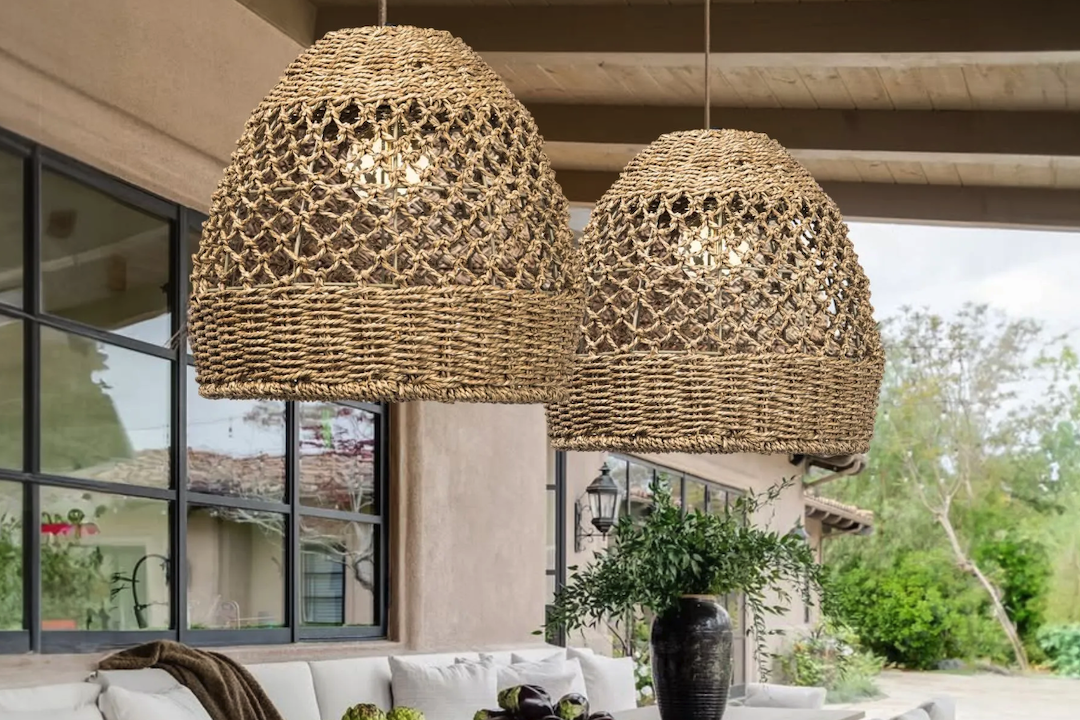
- Dome Pendants: These offer a broad, downward cast of light, perfect for illuminating a dining area or a seating arrangement. Their classic shape often feels grounded and substantial.
- Globe Pendants: Spherical and often more open-weave, these provide a softer, more ambient glow that disperses light in all directions, ideal for general illumination. They tend to be visually lighter and can create a sense of spaciousness.
- Bell-Shaped Pendants: With a wider opening at the bottom and tapered top, these offer a focused light while still allowing some diffusion through the sides. They often have a more traditional or even slightly mid-century feel, depending on the weave.
- Abstract & Sculptural Pendants: For a real statement, consider rattan pendants that defy traditional shapes. These can be art pieces in themselves, adding a dramatic focal point to your sunroom. Think intricate weaves, layered designs, or unusually elongated forms.
Practical Considerations for Sunroom Lighting
Beyond aesthetics, there are some practical elements to think about when choosing lighting for a sunroom. It’s a space that gets a lot of natural light, but also needs robust artificial lighting for evenings or overcast days.
Managing Glare and Brightness
Sunrooms can be incredibly bright during the day. You don’t want your artificial lighting to add to the overwhelm. Rattan’s woven texture is excellent for diffusing light.
- Diffused Light: The very nature of rattan weaving means light doesn’t just hit a solid surface and bounce back. Instead, it filters through the gaps and fibers, creating a softer, more even illumination. This helps prevent harsh hotspots and reduces glare.
- Dimmers are Your Friend: Regardless of your fixture choice, always, always include a dimmer switch for your sunroom lighting. This allows you to adjust the light intensity from bright task lighting to a soft, atmospheric glow, matching the time of day or your mood.
Durability and Maintenance
Rattan is generally a robust material, but being a natural fiber, it does have specific care requirements, especially in a sunroom environment.
- Sun Exposure: While rattan loves the sun, prolonged, direct, intense UV exposure can eventually cause it to dry out, become brittle, or fade. If your sunroom gets extremely intense, unshaded sun for extended periods, you might consider positioning your rattan pendants slightly away from the most direct rays, or ensure they are made from a high-quality, treated rattan.
- Humidity: Sunrooms can sometimes experience fluctuations in humidity. Rattan generally handles average humidity well; it’s when it’s consistently too dry or too damp that issues can arise. Too dry, and it becomes brittle; too damp, and there’s a risk of mold if air circulation is poor. Ensure good ventilation in your sunroom.
- Cleaning: Dusting is the primary cleaning task. A soft brush, a dry cloth, or the brush attachment on your vacuum cleaner on a low setting will do the trick. For any stubborn spots, a slightly damp cloth with a mild soap solution can be used, but avoid saturating the rattan. Always dry it immediately afterward to prevent water spots or moisture damage.
Installation and Wiring
While the look is organic, the installation is standard.
- Professional Installation: Unless you’re very comfortable with electrical work, it’s always best to have a qualified electrician install your pendant fixtures. This ensures safety and adherence to local codes.
- Weight Considerations: Rattan pendants are typically lightweight compared to metal or glass fixtures, which simplifies installation. However, always double-check the weight and ensure your ceiling box and support can handle it.
Pairing with Other Coastal Elements
Rattan pendants don’t exist in a vacuum. They are part of a larger design scheme. Thinking about how they integrate with other elements will make your sunroom feel cohesive and intentional.
Natural Textures and Materials
Embrace the organic feel throughout your sunroom. Rattan pendants act as a natural anchor for this.
- Wood: Weathered wood, reclaimed wood, whitewashed wood – all pair beautifully with rattan. Think distressed coffee tables, wood-slatted accent walls, or even exposed wooden beams.
- Linen and Cotton: Soft, breathable fabrics like linen and cotton for upholstery, cushions, and curtains provide a tactile contrast to the rattan’s woven texture. They soften the space and add to the comfortable, relaxed vibe.
- Stone and Shells: Incorporate natural elements like decorative seashells, coral pieces (ethically sourced, of course), or stone accents in your decor. These resonate with the coastal theme and complement the rattan.
Color Palettes
Coastal design often leans into specific color schemes that enhance the sunroom’s atmosphere.
- Blues and Greens: The obvious choice. Rattan’s natural browns and beiges provide a beautiful grounding tone for various shades of ocean blues and seafoam greens. These colors are inherently calming and reflective of the water.
- Neutrals and Whites: A classic coastal look involves a canvas of crisp whites, creams, and sandy beiges. Rattan pendants add warmth and texture to this neutral backdrop without introducing jarring colors. This allows the natural light and views to be the stars of the show.
- Soft Pastels: Think muted corals, pale yellows, and dusty rose alongside your rattan for a gentler, more whimsical coastal feel. These colors add a touch of personality without overpowering the natural aesthetic.
Incorporating Greenery
Plants are an essential part of any sunroom, and they look particularly striking with rattan pendants.
- Trailing Plants: Hang plants like Pothos or Philodendrons near your rattan pendants, letting their foliage trail down. This creates a lush, jungle-like vibe that enhances the natural feel.
- Large statement Plants: A tall Fiddle Leaf Fig or a majestic Bird of Paradise plant can anchor a corner of your sunroom. Their broad leaves offer a beautiful contrast to the intricate weave of the rattan.
- Potted Herbs: If your sunroom gets enough light, consider a small herb garden. The earthy pots and fresh greenery will add another layer of natural appeal and a delightful scent.
Sourcing and Sustainability
When choosing organic rattan, it’s worth considering where and how it’s sourced. Many people are increasingly focused on ethical and sustainable choices for their homes.
What is Organic Rattan?
“Organic rattan” often refers to rattan that is grown and harvested without the use of chemical pesticides or fertilizers. Rattan itself is a naturally renewable resource, as it grows quickly and can be harvested repeatedly without damaging the root system of the host tree (it’s a vine).
Sustainable Harvesting Practices
Look for suppliers who emphasize sustainable harvesting. This typically means:
- Selective Harvesting: Only mature rattan canes are harvested, allowing younger ones to continue growing.
- Replenishment: Harvesters often plant new rattan canes to ensure future supply.
- Fair Trade: Supporting artisans and communities where rattan is a significant part of the economy is also a key aspect of ethical sourcing. Knowing that your beautiful fixture contributes to sustainable livelihoods can make it even more enjoyable.
Checking for Quality
While rattan is natural, quality can vary.
- Even Weave: A well-made rattan fixture will have an even, consistent weave pattern without loose ends or noticeable gaps unless it’s designed to be deliberately rustic.
- Strong Frame: The internal frame, if any, should be sturdy and not visible through the rattan unless it’s part of the design.
- Finish: The rattan should feel smooth, not rough or splintery. It might have a natural clear coat or be stained, but the finish should be even.
The Holistic Feel of a Rattan-Lit Sunroom
Ultimately, choosing organic rattan pendant fixtures for your coastal sunroom isn’t just about selecting a light source; it’s about curating an experience. It’s about designing a space that feels like a permanent vacation, a place where you can unwind, connect with nature, and simply be.
The warm, diffused light of a rattan pendant, combined with the natural textures and open, airy feel of a sunroom, creates an environment that soothes the senses. It turns an ordinary room into an escape, a little slice of coastal calm that you can enjoy every day. By carefully considering style, practicality, and sustainability, you can select the perfect organic rattan pendants to truly illuminate and define your coastal sunroom.