When picking a ceiling light for a kid’s room, it’s easy to get caught up in aesthetics. But the biggest mistake parents make is overlooking safety, functionality, and long-term suitability in favor of something that just looks cute right now. Getting this wrong can lead to flickering lights, safety hazards, and needing to replace the fixture sooner than you’d like.
Ignoring Safety Certifications and Build Quality
It might seem obvious, but a surprising number of parents overlook the fundamental safety aspects of a light fixture Aljubaly. A kid’s room isn’t just any room; it’s a place where they play, learn, and sleep, often with less awareness of potential hazards. Skimping on safety here isn’t just a risk, it’s a genuine oversight with serious implications.
Overlooking UL/CE/ETL Certifications
These aren’t just fancy acronyms; they are critical indicators that a product has met stringent safety standards. UL (Underwriters Laboratories) is common in North America, while CE (Conformité Européenne) is essential for products sold in the European Economic Area, and ETL (Electrical Testing Laboratories) is another common certification for electrical safety. A light fixture without one of these certifications is a gamble. It means the product hasn’t been independently tested for electrical hazards, fire risks, or proper construction. You might find cheaper options without them, but the cost of a potential electrical fire or shock far outweighs any savings. Always check for the certification mark directly on the product or its packaging. If you can’t find it, consider it a red flag. Reputable manufacturers proudly display these.
Prioritizing Aesthetics Over Durable Materials
Kids’ rooms are dynamic environments. A light fixture isn’t just there to look pretty; it needs to withstand the occasional bump, jostle, or even a stray soft toy. Many attractive, themed lights are made with flimsy plastics or thin metal that can crack, bend, or break easily. Look for robust materials like shatter-resistant acrylic for diffusers, sturdy metals for the main housing, or solid wood where applicable. Fragile glass shades, while beautiful, are a definite no-go for a child’s room due to the obvious breakage risk. Even if it’s high on the ceiling, a falling toy or an unexpected jolt during roughhousing could cause a problem. Durability ensures the light fixture not only lasts but remains safe over time.
Neglecting Heat Generation
All light sources generate heat, but some more than others. Traditional incandescent bulbs, for instance, produce a significant amount of heat, which can be a concern if the fixture isn’t designed to dissipate it effectively, or if curious little hands can reach it. While most modern ceiling lights use cooler LED technology, it’s still crucial to ensure the fixture itself doesn’t become overly warm. Poor ventilation or a design that traps heat can shorten the lifespan of the bulbs and, in extreme cases, pose a fire risk, especially if the fixture is made from combustible materials. Always check the maximum wattage rating and consider LED bulbs which are significantly cooler and more energy-efficient.
Ignoring Accessibility for Cleaning and Maintenance
A light fixture in a child’s room will inevitably collect dust, and sometimes, even fingerprints or other marks. If the design makes it difficult to clean or change bulbs, it can become a neglected dust trap, reducing light output and potentially affecting air quality for children with allergies. Intricate designs with many small crevices, non-removable diffusers, or a complicated assembly can turn a simple maintenance task into a frustrating ordeal. Look for designs with smooth surfaces and easily removable (but secure) diffusers or covers. This ensures you can keep it clean without needing special tools or an hour-long project, promoting a healthier environment.
Underestimating the Impact of Lighting Type and Brightness
The type of light and its intensity profoundly affect a child’s mood, ability to perform tasks, and even their sleep patterns. Getting this wrong can lead to eye strain, poor concentration, or disrupted sleep. It’s more than just turning a light on; it’s about creating the right atmosphere for different activities.
Choosing the Wrong Color Temperature (CCT)
Color temperature, measured in Kelvin (K), describes how warm or cool the light appears. Warm white light (2700K-3000K) has a yellowish hue, similar to traditional incandescent bulbs, and is generally relaxing and comforting, ideal for bedtime routines. Cool white light (4000K-5000K) is brighter and whiter, mimicking daylight, which is better for concentration and activities like homework or creative play. Daylight white (5000K-6500K) is even bluer and can be too harsh for a child’s room, potentially disrupting natural sleep cycles if used too close to bedtime. The mistake is often choosing a single, inappropriate color temperature for all activities. Ideally, a child’s room benefits from flexibility: either a fixture with tunable white LEDs or supplemental lighting (like a warm bedside lamp) to complement the main overhead light.
Opting for Insufficient or Excessive Brightness (Lumens)
Brightness, measured in lumens, dictates how much light is emitted. Too little light can lead to eye strain, making it difficult to read or complete tasks, and can make the room feel dim and uninviting. Too much light, on the other hand, can be glaring, uncomfortable, and overstimulating, especially for younger children. The ideal lumen output depends on the room size and the activities performed there. As a general guideline, a child’s bedroom typically needs between 20-30 lumens per square foot. However, this is just for general illumination. Task lighting (like a desk lamp) will provide focused brightness where needed. A common mistake is buying a fixture based solely on aesthetics without checking its lumen output, leading to a poorly lit or overly bright space. Dimmable fixtures are an excellent solution, offering flexibility to adjust brightness as needed throughout the day and night.
Neglecting Dimmability and Multiple Light Sources
A single, non-dimmable overhead light is rarely sufficient for a child’s room. Children engage in various activities – playing, reading, doing homework, and sleeping – each requiring different lighting levels. A bright overhead light for play can be too harsh for a bedtime story, and a dim nightlight isn’t enough for concentrated tasks. The mistake here is not thinking about layering light. A dimmable ceiling fixture is crucial for adjusting overall ambiance. Complementing this with task lighting (desk lamp, reading lamp) and perhaps a soft nightlight provides a comprehensive lighting scheme. Dimmers also allow for a gradual transition from bright play time to calming bedtime, aiding in establishing routines and promoting better sleep.
Ignoring Glare and Light Diffusion
Direct, unshaded light sources, especially from uncovered bulbs, can create harsh glare that is uncomfortable and harmful to young eyes. Children are often on the floor playing, meaning their direct line of sight can be easily exposed to bare bulbs from overhead fixtures. Glare can cause eye fatigue, headaches, and reduce visual comfort. A common mistake is choosing fixtures with exposed bulbs or highly transparent shades. Always look for fixtures with good diffusers – frosted glass, acrylic, or fabric shades – that evenly spread the light and soften its intensity. This ensures a comfortable and visually pleasing environment, protecting delicate eyes.
Overlooking Future Needs and Adaptability
Kids grow up fast, and their needs change dramatically. A light fixture that’s perfect for a toddler might be completely unsuitable for a pre-teen. Failing to consider the long-term can result in needing to replace the fixture sooner than anticipated, wasting money and effort.
Choosing Overly Themed or Juvenile Designs
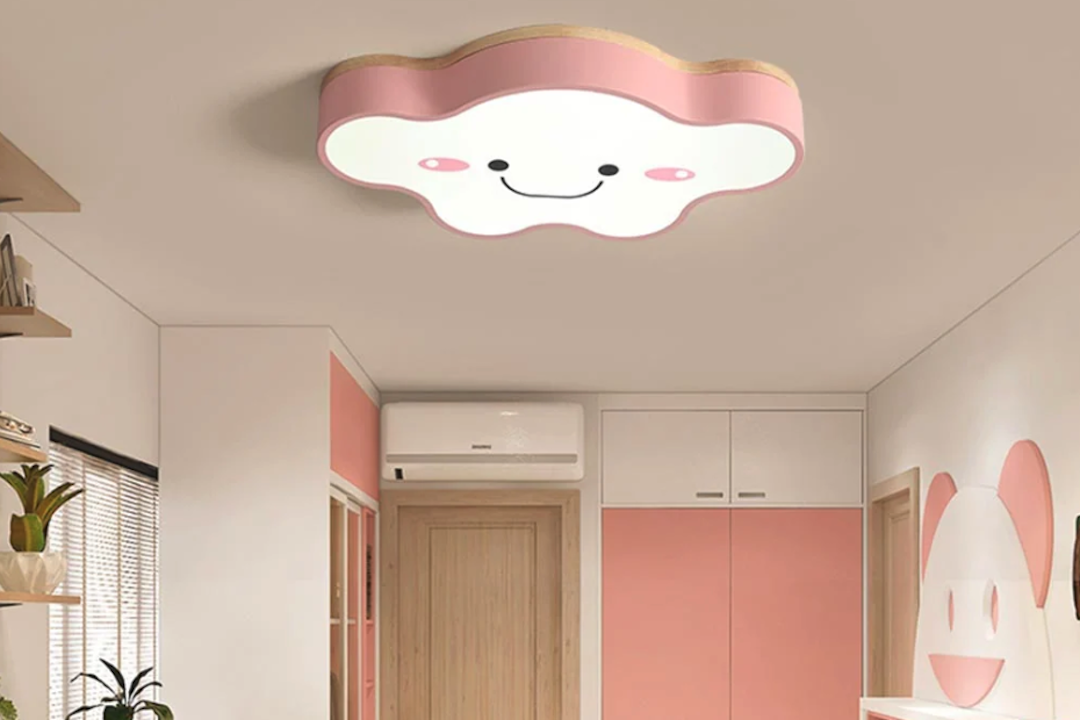
While a light shaped like a rocket ship or a fairy castle might be adorable for a preschooler, it’s highly unlikely to appeal to a 10-year-old, let alone a teenager. The mistake here is prioritizing temporary cuteness over enduring style. Themed lights can quickly become dated or outgrown, necessitating replacement as your child’s interests evolve. Instead, consider fixtures with a more neutral or classic design that can adapt to changing decor. You can always bring in themed elements through easily changeable accessories like lampshades on bedside lamps, wall decals, or bedding. A versatile ceiling light can serve your child through multiple developmental stages, saving you the hassle and expense of frequent replacements.
Ignoring the Lifespan and Replaceability of Bulbs/LEDs
The light source itself has a lifespan. With traditional bulbs, replacing them is straightforward. However, many modern LED fixtures have integrated LEDs that are not designed to be user-replaceable. If these integrated LEDs fail, the entire fixture needs to be replaced. While integrated LEDs generally have a very long lifespan (tens of thousands of hours), there’s still a possibility of early failure or simply wanting to upgrade in the future. The mistake is not checking if the bulbs are replaceable. For fixtures using standard screw-in bulbs, ensure they use common bulb types (E26/E27, GU10, etc.) that are readily available. For integrated LED fixtures, research the manufacturer’s warranty and reputation for quality to mitigate the risk of premature failure. Understanding the long-term implications of the light source choice is crucial for sustained functionality.
Neglecting Energy Efficiency and Cost of Ownership
While the initial purchase price is a factor, the ongoing cost of running a light fixture can add up, especially in a room that’s frequently used. Traditional incandescent bulbs are energy hogs, converting most of their energy into heat rather than light. Halogen bulbs are slightly better but still inefficient compared to LEDs. The mistake is buying based purely on upfront cost without considering energy consumption. LED lights are by far the most energy-efficient option, consuming significantly less electricity and lasting much longer, which translates into lower utility bills and fewer bulb replacements. Over the lifespan of the fixture, the energy savings from LEDs often far outweigh their higher initial purchase price. Factor in the cost of electricity and bulb replacements when making your decision for a truly economical choice.
Not Considering Installation Complexity
Some light fixtures, especially elaborate or multi-component designs, can be surprisingly complex to install. If you’re not comfortable with electrical work, this means hiring an electrician, which adds to the overall cost and timeframe. A common mistake is buying a fixture without reviewing the installation instructions or considering its weight and mounting requirements. Heavy fixtures might require additional bracing in the ceiling, and intricate designs with many small parts can be time-consuming and frustrating to assemble. Simple, lightweight designs that can be easily installed by a competent DIYer or a quick visit from an electrician are often preferable. Always check the installation guide or ask for details before purchasing, especially if you plan to do it yourself.
Forgetting Practicality and Functional Design
A light fixture isn’t just about illuminating a room; it also needs to be practical for the space and the people using it. Ignoring functional aspects can lead to everyday annoyances, inefficient lighting, or even safety issues.
Choosing a Fixture That’s Too Large or Too Small for the Room
Scale matters. A tiny flush mount in a large room will look lost and provide inadequate illumination, making the space feel dimly lit. Conversely, an oversized chandelier in a small room can overwhelm the space, make the ceiling feel lower, and potentially be a hazard for taller children or during active play. The mistake is often picking a fixture based on how it looks in the store or online without considering the dimensions of the actual room. As a general rule, for fixtures in the center of the room, add the room’s length and width in feet, and that sum in inches gives you a good starting diameter for the fixture. For example, a 10×12 foot room (sum 22) suggests a fixture around 22 inches in diameter. Also consider ceiling height: flush mounts or semi-flush mounts are better for lower ceilings (under 8 feet), while pendants or chandeliers work well with higher ceilings, ensuring they don’t impede movement.
Overlooking Accessibility of Light Switches and Controls
What good is a versatile light fixture if it’s inconvenient to control? A common oversight is not considering the placement and type of light switch. Is the switch easily reachable by your child as they grow? For younger children, a traditional wall switch might be too high. Smart lighting systems or remote controls can offer flexibility, but they also introduce potential complexity (e.g., lost remotes, app issues). The mistake is assuming a standard setup will always work. Consider multiple control points, especially if the room has multiple doors. Smart switches or dimmers that can be controlled via an app or voice assistant offer excellent convenience and allow for nuanced control of brightness and color temperature, enhancing practicality.
Ignoring Room Layout and Furniture Placement
The ideal placement of a ceiling light isn’t always dead center. The functional center of the room might shift based on furniture arrangement – a bed, a desk, a play area. Placing a light directly over a bed can create uncomfortable glare when lying down, while placing it too far from a desk area can leave a workspace in shadow. The mistake is not planning the lighting in conjunction with the room’s layout. Consider where the main activities happen. If there’s a dedicated reading nook or a desk, ensure the overhead light doesn’t cast shadows, and plan for supplementary task lighting. Think about the path of light and how it interacts with the room’s elements to achieve optimal illumination for all activities.
Choosing a Fixture Difficult to Maintain (Dust Traps, Exposed Bulbs)
We touched on maintenance earlier regarding cleaning, but it extends to overall practical design. Intricate designs with many nooks, crannies, or exposed bulb sockets are notorious dust collectors. Over time, accumulated dust not only looks unsightly but can also reduce light output and even pose a minor fire hazard if left unchecked. Fixtures with exposed bulbs are also more susceptible to breakage from flying objects. The mistake is choosing a design that prioritizes aesthetics over ease of maintenance. Opt for fixtures with smooth, enclosed designs, or those with easily removable (and re-attachable) diffusers that protect the light source and simplify cleaning. Practicality in design saves you time and effort in the long run.
Failing to Plan for Versatility and Growth
A child’s room needs to evolve, and the lighting should be a part of that evolution, not a static element that becomes outdated. Planning for versatility from the outset saves time, money, and hassle in the future.
Not Considering Smart Lighting Options
The world of smart home technology has expanded rapidly, offering incredible flexibility for lighting. Smart bulbs and fixtures can change color temperature, brightness, and even color, all controlled via an app, remote, or voice commands. The mistake is not considering these advanced features, which can significantly enhance the functionality and longevity of your lighting setup. A smart light can transition from a cool, bright light for homework to a warm, dim nightlight, and even to a fun colored light for playtime. While a traditional fixture might be cheaper upfront, the adaptability of smart lighting makes it a valuable long-term investment that can cater to a child’s changing needs and preferences over many years. Even if you don’t use all the features immediately, having the option built-in can be a game-changer.
Disregarding Multi-functional Fixtures
Some ceiling lights offer more than just illumination. Options like ceiling fans with integrated lights, or fixtures with built-in speakers, can add extra functionality to a child’s room. The mistake is only thinking about light output. In rooms without adequate air circulation, a ceiling fan can be a valuable addition, providing both cooling and light. Integrated speakers might seem novel, but they can be great for listening to music, audiobooks, or white noise at bedtime. While these might have a higher upfront cost, they can save space and simplify the room by combining multiple functions into one unit, making them a practical and versatile choice for a child’s evolving space.
Not Creating a Layered Lighting Plan
Relying solely on a single overhead ceiling light is a fundamental mistake in any room, but especially a child’s. A well-lit room benefits from a layered lighting approach, combining ambient (general overhead), task (focused light for specific activities), and accent (for mood or highlighting features) lighting. The mistake is not considering how the ceiling light fits into this broader plan. The ceiling light provides the ambient base. Supplement it with a good desk lamp for homework, a warm bedside lamp for reading, and maybe a gentle nightlight. This layering allows for flexibility, prevents eye strain, and creates a more comfortable and functional environment that can be adjusted for different moods and activities as your child grows. It ensures every corner of the room is adequately lit for its intended purpose.
Forgetting About Future Decor Changes
As children grow, their tastes change, and so too will their room’s decor. A light fixture that is highly specific to a current theme might clash dramatically with a future aesthetic. The mistake is choosing a fixture that’s too difficult or expensive to change later. Opt for a ceiling light with a relatively neutral design and color that can complement a wide range of decor styles. The personality and theme can be brought in through more easily replaceable elements like curtains, bedding, wall art, and even decorative lampshades on other light sources. A timeless ceiling fixture provides a stable foundation that can adapt to countless transformations of the room, ensuring it remains relevant and stylish for years to come.